


Igloo Marine Ultra 54 Qt Cooler
Stainless steel hardware and UV-resistant shell handle the high desert sun. Holds ice through a hot weekend without leaking in the minivan.
Why we love it
- Stainless hinges and latches survive salt, sun, and sand
- Non-slip handles grip wet hands on trail or boat
- Fits 76 cans, sized right for a family weekend
Pros
- Stainless steel hinge and lid strap
- UV inhibitors protect from sun damage
- Hybrid latches balance durability and seal
- Non-slip swing handles
Cons
- Heavy at 10.6 pounds empty
- Plastic snap latches wear over time

Coleman Marine 52Qt Cooler
Big capacity hard cooler rated for five days of ice in heat, with a lid that doubles as a seat and cup holders molded into the top.
Why we love it
- Rated for ice up to six days at 90°F
- Holds 204 cans, perfect for family trips
- Lid supports 250 lb, works as extra camp seat
Pros
- Fully insulated lid and body
- Swing-up handles for carrying full cooler
- Antimicrobial odor-resistant liner
- UVGuard coating protects from sun
- Molded cup holders prevent spilling
Cons
- Heavy when packed with ice and food
- No drain plug mentioned in specs

EchoSmile 25-75 Qt Rotomolded Cooler
Rotomolded hard cooler rated for five days of ice retention. Built tough enough for weekend desert trips with two kids constantly opening it.
Why we love it
- Polyurethane insulation keeps ice solid through hot days
- One-piece rotomolded body won't crack or leak under use
- Drain plug and cup holders cut cleanup and organization time
Pros
- Rotomolded one-piece construction
- Silicone gasket seals tight when latched
- Quick-drain plug for hassle-free cleanup
- Molded cup holders and bottle opener included
- Rated 75+ hours ice retention in ideal conditions
Cons
- Heavy when fully loaded with ice and food
- Premium price for the category
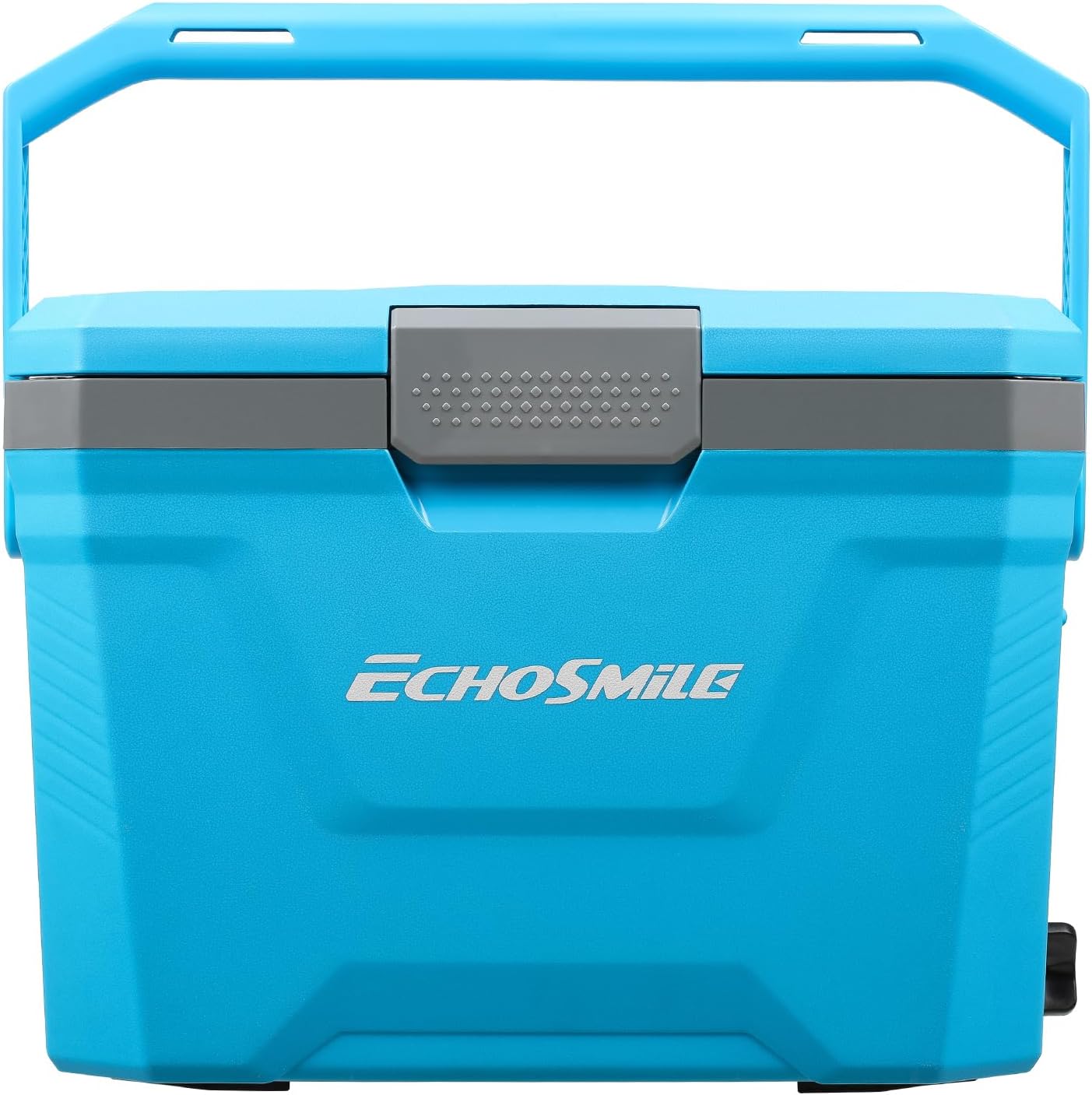
EchoSmile 20/35 Qt Hard Cooler
Standard hard cooler built for family camping with a reliable drain plug and latches that actually stay put through minivan rides.
Why we love it
- Quick-drain plug means no tilting to empty water
- Non-slip feet grip gravel campground pads
- Holds 24 cans plus ice, fits SUV trunks tight
Pros
- Integrated bottle opener on the lid
- Silicone sealing ring keeps water tight
- Quick-drain system with stainless chain
- Non-skid rubber feet stay put on gravel
- Rated for three days ice retention
Cons
- Not rotomolded, so lighter duty than premium coolers
- Weight penalty when loaded for a full weekend
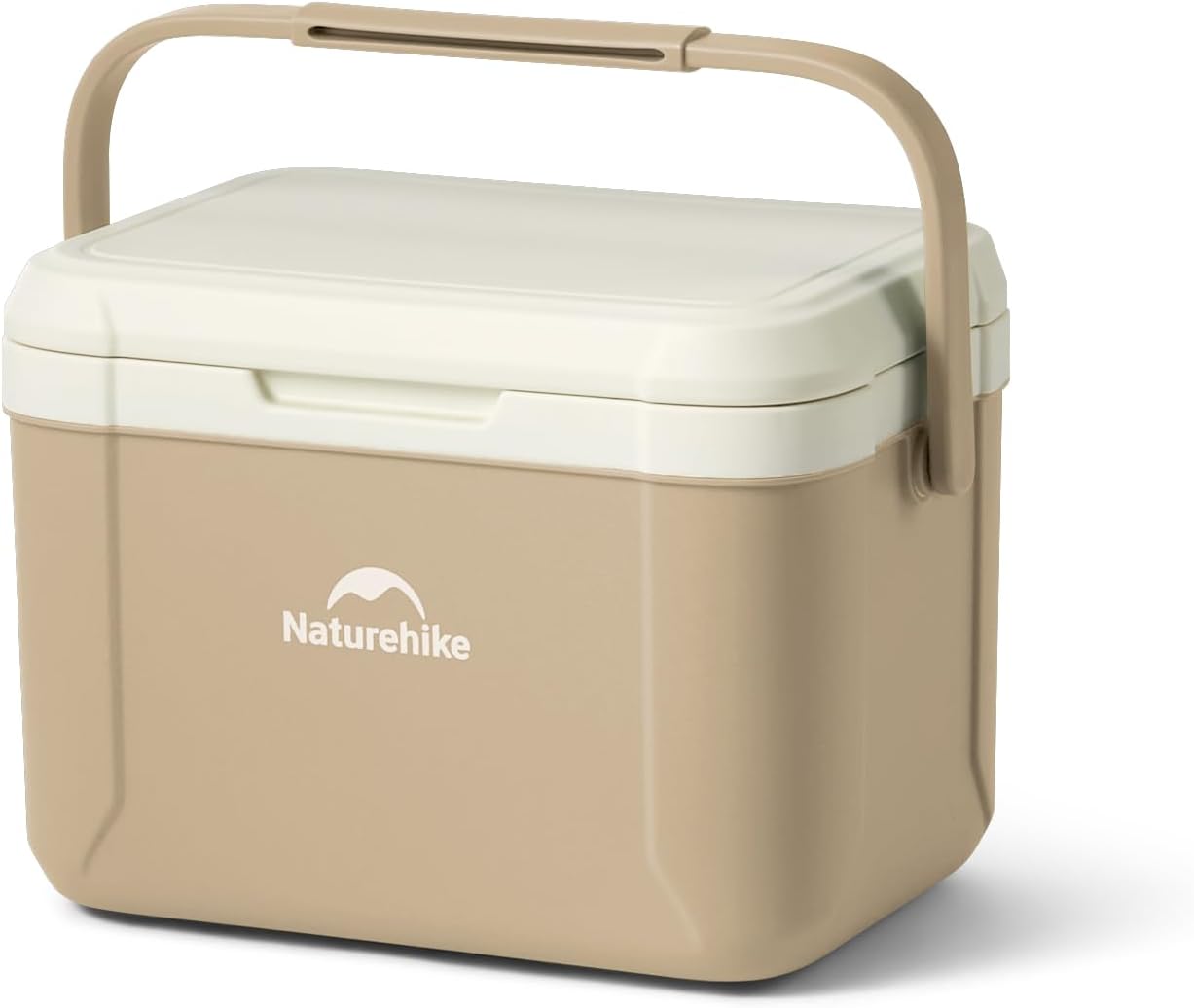
Naturehike 5.3 QT Hard Cooler
Small, tough cooler rated for five days of ice in heat. Built right for a day trip or weekend with the family.
Why we love it
- Five-sided polyurethane insulation rated 71.5 hours
- Food-grade PP liner keeps drinks and meals safe
- Weighs 2.1 lbs, easy to carry across camp
Pros
- Thick polyurethane insulation
- Reinforced shell supports 165 lbs
- High-sealing lid cover
- Food-grade materials throughout
Cons
- Holds only six cans
- No drain plug listed
What Makes a Marine Cooler Actually Work
A best marine coolers sits in direct sun, gets opened constantly, and lives with saltwater, sand, and hard use. These boxes are built differently from generic coolers because the environment demands it. The hinges, latches, and gaskets have to survive repeated stress in corrosive conditions, and the insulation has to hold ice through a full day of fishing or boating without failing.
The difference between a marine cooler and a standard box shows up fast. After 14 years of trips to the Oregon coast and high desert lakes, I have seen drain plugs corrode in a weekend, stainless hardware actually survive rust where cheaper latches split, and gaskets that kept their seal after months of salt spray.
Stainless Hardware Where It Matters
Rust-resistant hinges and screws are the first line of defense. The Igloo Marine Cooler uses stainless steel hinge areas paired with flexible Riteflex resin, a material engineered to handle temperature swings and chemical exposure without cracking. Cheaper boxes use plastic throughout, and the hinges fail within a season in wet conditions. Stainless steel does not guarantee a long life, but it shifts the failure curve from weeks to years.
Gasket Design and Seal Performance
Silicone gaskets hold ice longer than foam seals because they compress tightly and stay flexible in cold. The EchoSmile Rotomolded Cooler uses silicone with a vacuum-sealed closure, achieving over 100 hours of ice retention in full-ice mode. A marine cooler takes lid-opening abuse that tests the gasket constantly. If the gasket fails, meltwater leaks and ice disappears faster. Check the gasket by pressing the lid down. It should seat smoothly and feel snug all the way around.
Drain Plug Design and Corrosion
Quick-drain plugs with stainless chain prevent loss and corrosion. A plug that corrodes becomes stuck or leaks slowly, turning your cooler into a meltwater trap. The EchoSmile and Coleman Marine Cooler both use quick-latches and chains, so you can drain and rinse without fishing a plug out of the bilge. Marine environments demand this level of thought. Interior liners should be food grade and treated for odor resistance.
UV Protection and Fade
UV inhibitors in the shell prevent color fade and material brittleness from sun exposure. Marine coolers spend days in direct sunlight, and the plastic needs protection or it becomes chalky and weak within a year. Igloo builds UV resistance into its Marine line, which shows up in coolers that look newer after seasons of coastal use.
Stainless hardware in the hinge area is where boats and saltwater trips live or die.
Ice Retention in Real Conditions
What the Lab Numbers Mean on the Water
Manufacturer claims of 3, 4, or 6 days assume the cooler sits sealed and unopened in 90-degree heat. A marine trip opens the cooler constantly. Every time someone grabs a drink or reaches for bait, warm air enters and cold air leaves. On a boat in the sun with kids asking for snacks every 10 minutes, a six-day box might realistically hold ice for 2 to 3 days. The Naturehike tests at 71.5 hours with 75 percent ice filling, which is closer to real packing than most claims. Rotomolded boxes like EchoSmile use thicker polyurethane insulation (the same material in refrigerators), which performs better under repeated opening than thinner injection-molded walls.
Ice Type and Packing Order
Block ice lasts longer than cubed because it has less surface area and melts slower. On a multi-day boat trip, start with block ice on the bottom, food in the middle, drinks on top where they are reachable without tilting the whole box. Pre-chill the cooler the night before with ice and water so the walls absorb cold. This simple step extends ice life by 8 to 12 hours. Keep the lid closed except when actually grabbing something. Discipline on the lid beats wall thickness every time.
Size, Weight, and Vehicle Fit
What Capacity Actually Holds
A 45-quart cooler holds 45 quarts of space, but once you add ice, usable capacity shrinks. A 2:1 ice-to-contents ratio is realistic for extended trips, which means a 45-quart box carries 15 quarts of actual food and drink. The EchoSmile 40-quart model fits 85 cans in full-ice mode and still fits in an SUV trunk. For a weekend trip with a family of four, a 35 to 45-quart box lands in the sweet spot. Smaller personal coolers under 20 quarts suit day trips. Larger boxes over 60 quarts need roof racks or a truck bed, because your vehicle’s trunk will not close with one wedged inside.
Weight and Portability
Rotomolded boxes weigh more than injection-molded ones because the wall thickness is genuinely thicker. A loaded 45-quart rotomolded cooler weighs 60 to 70 pounds, which one adult can carry but not comfortably if you are moving it across a sandy beach. The Naturehike 5.3-quart compact cooler weighs only 2.1 pounds empty and holds six cans, making it ideal for day hikes or as a backup when one large cooler is not enough. Match size to trip length and transport method.
Setting Up for Your First Marine Trip
Pre-Chilling and Meltwater Management
Fill the cooler with ice and water the night before and leave it sitting. This pre-chill cools the walls themselves so they do not waste cold energy bringing the box down to temperature once food goes in. On a long trip, expect meltwater to accumulate. Leave some water in the bottom on purpose. It keeps everything colder longer because water holds cold better than air. Drain it before traveling or if you need the space, but do not obsess over a half-inch in the bottom.
Securing It in the Boat or Vehicle
A cooler sliding around in a truck bed or boat cabin becomes a hazard in rough water or sharp turns. Strap it down or wedge it against the gunwale. On a boat, position it where spray will not corrode the hinges constantly, though marine coolers are built to handle saltwater mist. Make sure the drain plug faces aft or downhill so you can access it without awkward positioning.
Rinsing and Draining After Use
After a saltwater trip, rinse the exterior and interior with fresh water and leave the lid cracked open to dry. Mildew grows in damp plastic if you seal it immediately. Open the drain plug and let any meltwater and sediment run out. Run fresh water through the interior, drain it, and prop the lid open for a few hours. Stainless hardware resists rust, but the plastic interior and gasket benefit from being dry before storage.
Leave some meltwater in the bottom on a full day trip. It keeps everything colder than draining it dry.
Tips
- Pre-chill with ice the night before. The cooler walls need time to absorb cold, or the first hours of your trip waste ice bringing the box down to temperature.
- Use block ice on the bottom, drinks on top. Block melts slower, and keeping frequently accessed items on top minimizes lid-opening time.
- Pack a 2:1 ice-to-contents ratio. Two pounds of ice per pound of food and drink is the rule that actually works with constant opening.
- Check hinges and gaskets before each trip. Look for corrosion on stainless hardware and press the gasket to confirm it seats smoothly.
- Rinse the drain and interior with fresh water after saltwater use. Mineral deposits clog the plug, and mildew grows in trapped moisture.
- Leave the lid cracked open when storing empty. Sealed plastic develops a musty smell that comes back every trip if you do not let it breathe.
FAQ
Do marine cooler ice retention claims hold up when you open the lid constantly?
No. A six-day rating assumes the cooler stays sealed. With typical boating or fishing patterns, expect half that in real conditions. Rotomolded construction and proper ice packing improve results, but lid discipline matters more than the box itself.
Can I leave meltwater in the cooler between trips?
You can, but rinse it out before long-term storage. Meltwater sitting in the box for weeks promotes mildew growth in the plastic and gasket. If you are heading out again in a few days, leaving some water inside is fine and actually helps ice retention on your next trip.
What should I clean the gasket with?
Warm soapy water and a soft cloth. Gaskets trap dirt and salt spray, which can degrade the silicone over time. Do not scrub hard or use abrasive cleaners. Dry it thoroughly before closing the lid.
Is a marine cooler worth buying if I mostly use my box on lakes?
Yes, if durability matters to you. Marine coolers have stainless hardware and design details that survive rough handling and wet conditions better than generic boxes. Freshwater trips do not stress the hardware as much, so a standard cooler works, but a marine box lasts longer.
How do I prevent the drain plug from corroding?
Rinse it with fresh water after each trip and dry it before storage. If you see corrosion starting, a light coat of silicone grease on the threads helps. Quality marine coolers use stainless chains and screws, which resist corrosion far better than plastic or mild steel.



Write Your Review
No reviews yet. Be the first to share your experience!