


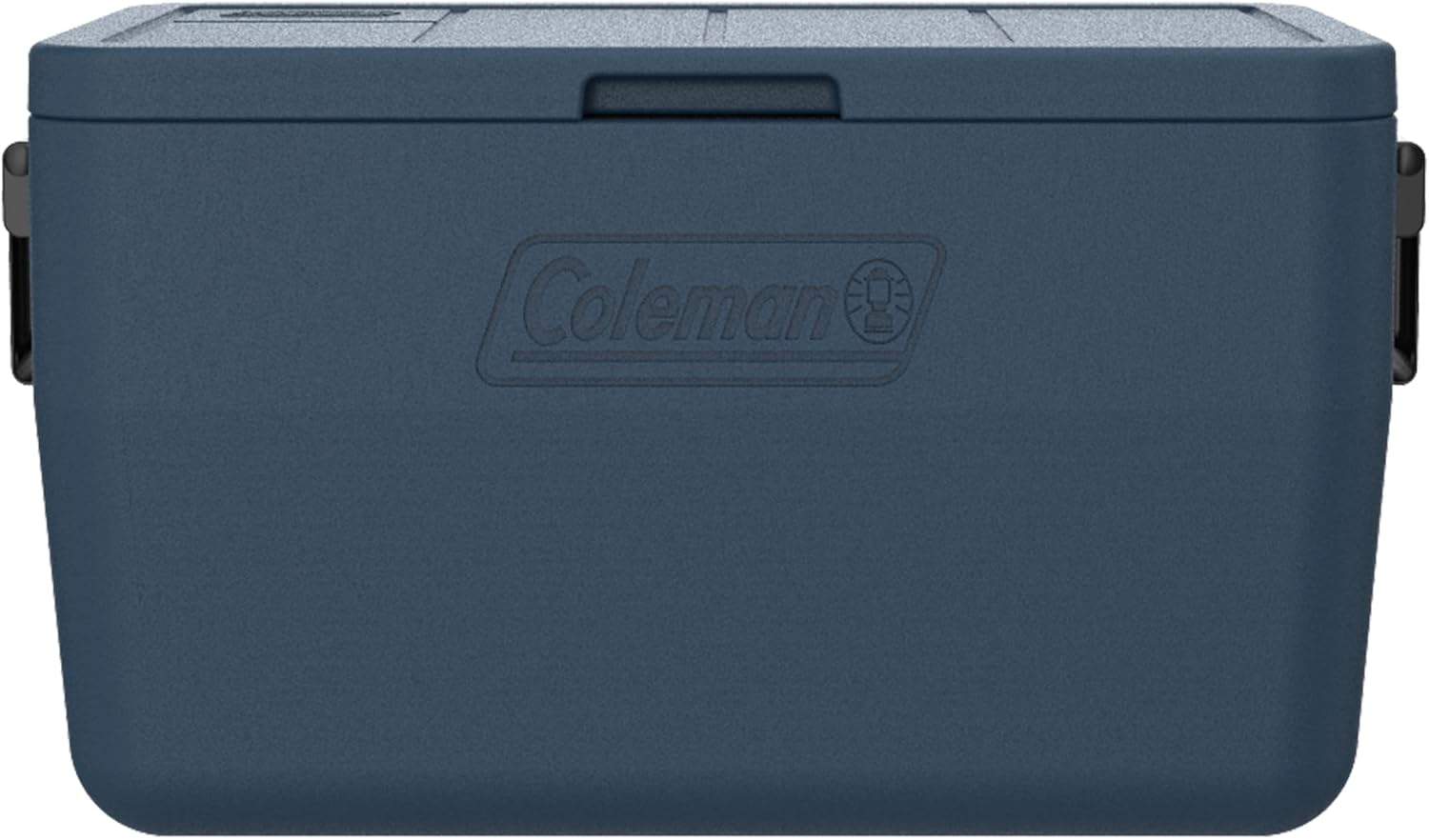
Coleman Xtreme Rolling Cooler with Wheels
Product Highlights EZ-Clean Lid With its smoother texture, the EZ-Clean lid wipes clean easily, making cleanup a breeze. You'll be ready for your next outdoor gathering in no time. Have-A-Seat Lid Sturdy lid supports up to 250 pounds so you always have an extra place to sit and relax with friends and family. Built-In Cup Holders Conveniently molded into the lid are 2-inch-deep cup holders to keep drinks handy and avoid spills.Locking Telescoping Handles The tall telescoping handle makes it easier to pull the cooler when it’s full and allows for compact storage. Heavy-Duty Wheels Roll your cooler over any rough terrain with these rugged wheels, even when it’s fully loaded.About the Brand Coleman helps people make fun memories by providing the lighting, stoves, coolers, tents, sleeping bags, and camping tools integral to their favorite outdoor experiences.
Why we love it
- KEEPS ICE UP TO 5 DAYS – Double-wall insulated lid and body helps keep ice frozen for up to 5 days in temperatures as high as 90°F – ideal as a camping cooler, beach cooler, or beer cooler.
- HOLDS 84 CANS – Spacious wheeled cooler holds up to 84 cans, making it a great choice for tailgates, picnics, road trips, camping, beach days, and backyard gatherings.
- ROLLS ANYWHERE – Rugged all-terrain wheels handle sand, gravel and grass with ease. The retractable telescoping handle lets you pull it effortlessly and collapses for compact storage in your car or garage.

Ninja FrostVault 50Qt Hard Cooler
Keeps food separate and dry while ice lasts a hot weekend, which matters when two kids won't stop opening the lid.
Why we love it
- Dry zone keeps food from getting soggy
- 50-quart capacity fits a weekend of meals
- Lockable drawer prevents constant lid opening
Pros
- Separate dry storage zone
- Three inches of insulation
- Premium latch and handles
- Bear-resistant with proper locks
- Holds ice for days
Cons
- Heavy when fully loaded
- Price runs around $230

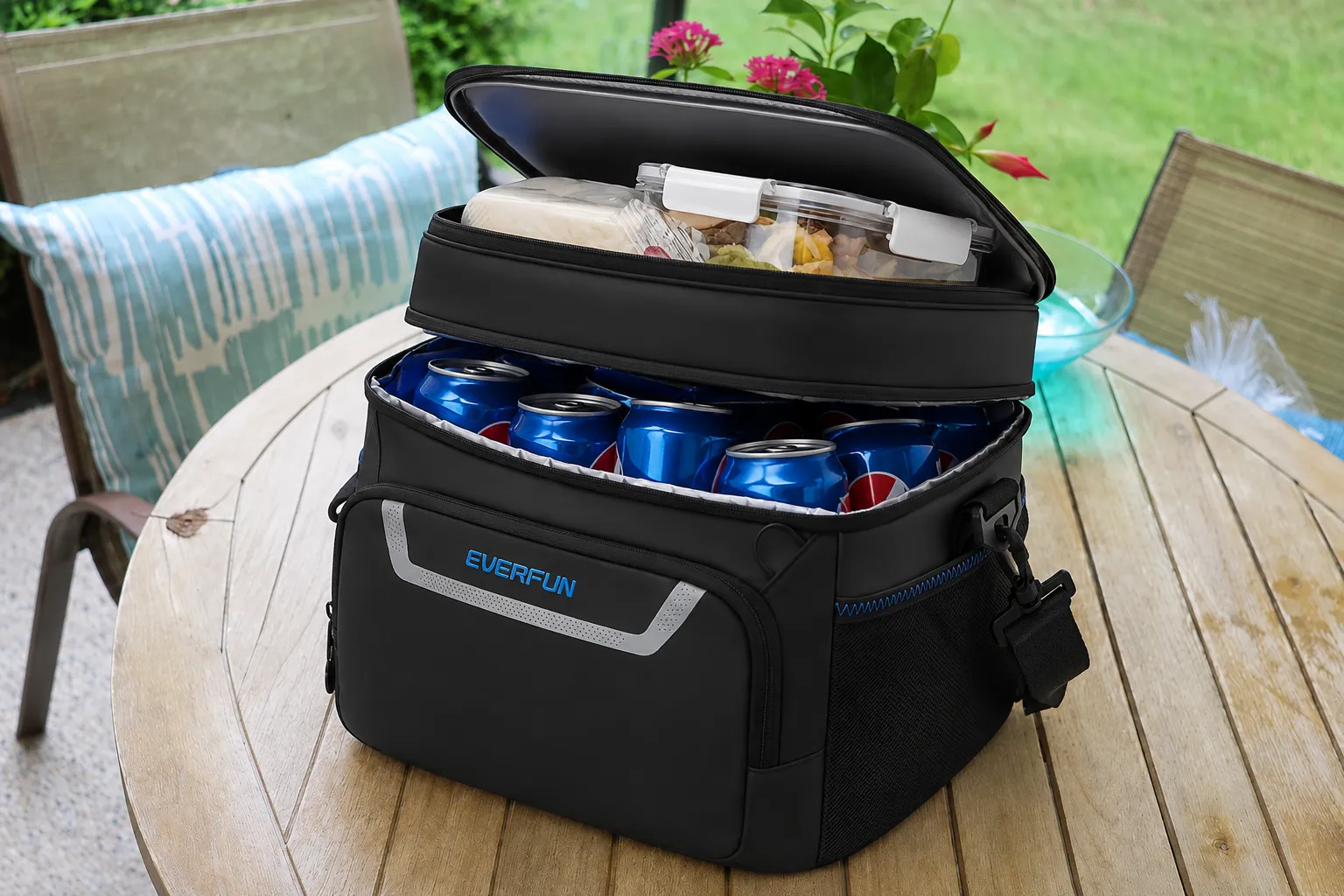
YOUNGOA 30L Soft Cooler Bag
Lightweight collapsible cooler that packs flat when empty and keeps drinks cold through a hot afternoon without the weight of a hard cooler.
Why we love it
- Collapses flat for easy minivan storage
- Leakproof zipper liner handles rough trips
- Shoulder strap beats hand-carry when full
Pros
- Leakproof heat-sealed liner
- Collapsible design saves storage space
- Multiple pockets for ice packs and utensils
- Comfortable adjustable shoulder strap
- Water-resistant outer fabric
Cons
- Ice retention shorter than hard coolers
- Thin insulation for extended heat exposure

Aosbos Insulated Lunch Tote, 10L
A compact lunch bag with leak-proof PEVA lining, rated for 5 hours of cold retention. Works for day trips when you need something smaller than a cooler.
Why we love it
- Leak-proof PEVA lining keeps wet items off gear
- Flat-bottom design fits easily in a packed minivan
- Front and back pockets organize food and personal items
Pros
- Food-grade leak-proof PEVA lining
- 4mm foam insulation rated for 5 hours cold
- Flat-bottomed, easy to pack and access
- Dual handles, comfortable to carry full
- Water-resistant exterior polyester
Cons
- 5-hour cold retention limits multi-day trips
- 10-liter capacity suits one person only
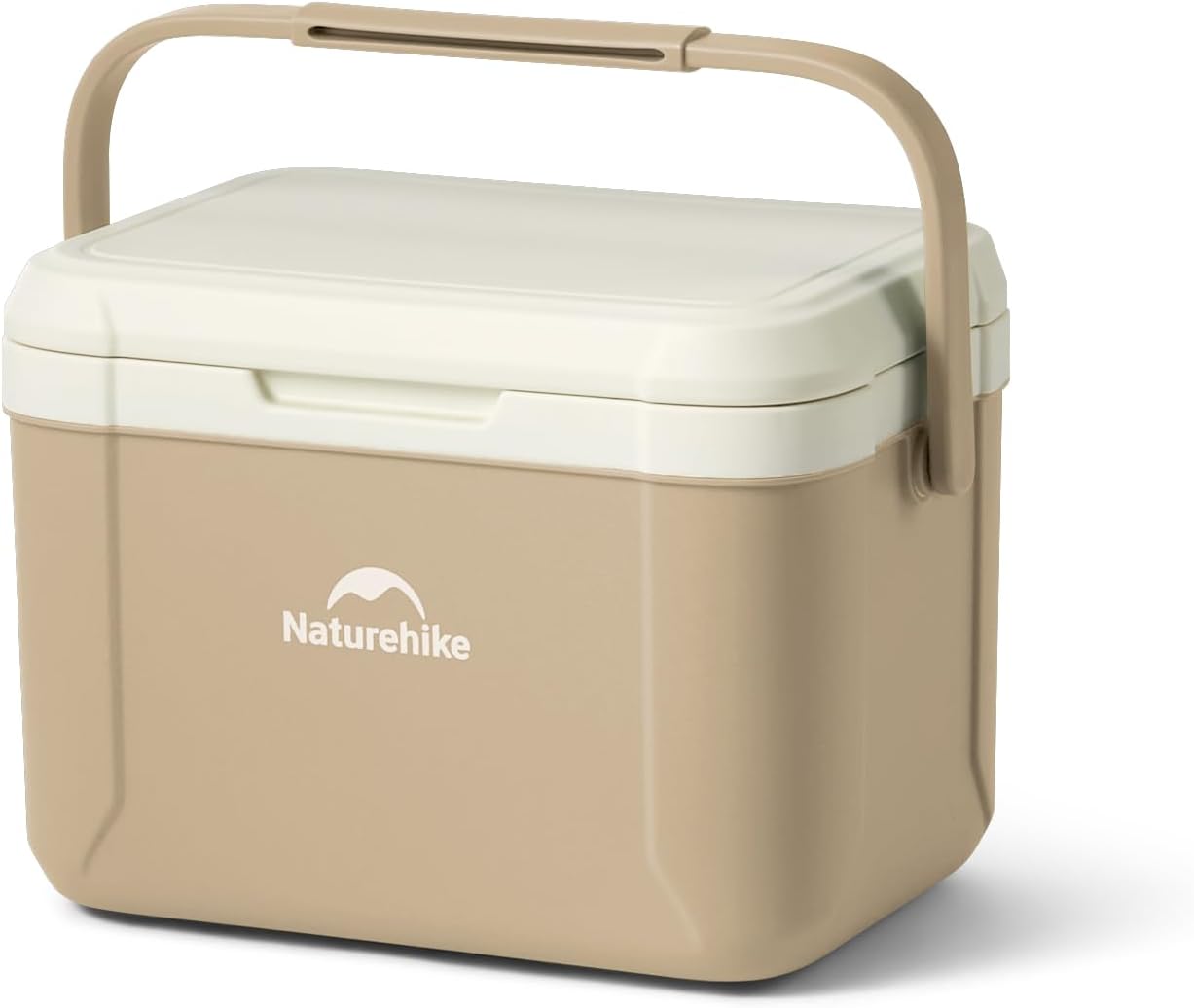
Naturehike 5.3 QT Hard Cooler
Small, tough cooler rated for five days of ice in heat. Built right for a day trip or weekend with the family.
Why we love it
- Five-sided polyurethane insulation rated 71.5 hours
- Food-grade PP liner keeps drinks and meals safe
- Weighs 2.1 lbs, easy to carry across camp
Pros
- Thick polyurethane insulation
- Reinforced shell supports 165 lbs
- High-sealing lid cover
- Food-grade materials throughout
Cons
- Holds only six cans
- No drain plug listed
What Actually Keeps Food Frozen for Days
The gap between a marketing claim and what happens on a real trip is massive. Best coolers to keep food frozen are built on insulation depth, gasket seal quality, and how you pack them, not on a single number stamped on the box. After 14 years of running coolers through high-desert weekends and coastal trips, I have seen how a five-day rating falls apart the moment my kids open the lid every ten minutes to grab a drink.
Most coolers fail because people buy the wrong size or misunderstand what “keeping food frozen” actually means once ice starts melting. A rotomolded hard cooler with thick walls holds cold longer than a soft-sided bag, but it weighs twice as much empty. A wheeled box works great for a campground loop but becomes dead weight if you are carrying it up a trail. The right pick depends on what your trip looks like, not what sounds impressive.
Insulation Type and Thickness
Rotomolded construction uses polyurethane or polyethylene walls fused under heat, creating a solid shell with even thickness. The Naturehike 5.3-Quart Hard Cooler uses five-sided polyurethane insulation, the same material found in refrigerators, and holds temperature below 40 degrees for up to 71.5 hours when packed with 75 percent ice. Foam-injected models pump foam between an inner and outer shell, lighter and cheaper but with less consistent density. The thickness matters more than the method. Three inches of quality insulation beats one inch of any type. Check the wall by feeling the cooler when empty, not by reading a spec sheet.
Gasket and Latch Design
The seal around the lid is where most coolers fail in real use. A hard rubber gasket compresses over time, especially if you leave the cooler sitting in the sun or slam the lid repeatedly. The Ninja FrostVault 50-Quart Hard Cooler features a locking lid and drawer latch rated for bear resistance, with integrated hardware that keeps the seal tight under pressure. Plastic latches crack in cold weather and split under stress. Metal hinges and solid latches cost more upfront but last a season instead of failing mid-trip. Open and close the cooler ten times before buying if you can. Listen for the hiss of air escaping.
Ice-to-Contents Ratio and Realistic Capacity
A 50-quart cooler does not hold 50 quarts of food. Once you load in ice or ice packs, usable space drops to 60 to 70 percent of the rated volume. The Ninja holds 80 cans with no ice or 45 cans with ice included, a huge difference. For a weekend trip with my family of four, I plan on one quart of ice per person per day, plus another quart as buffer. That math eats space fast. Soft coolers like the YOUNGOA 30-Liter Foldable Insulated Cooler Bag are more honest about what fits once foam-lined walls take their share. Measure your actual trip need before choosing a size, not your fantasy trip.
Drain Plug and Meltwater Management
Meltwater pooling inside kills ice retention because it conducts cold away from your food. The Coleman Xtreme Rolling Cooler has a leak-resistant drain that lets you remove water without tipping or lifting the entire box, critical for campground cleanup. A plug that leaks in a packed minivan ruins a trip faster than any insulation failure. Check the drain design by feeling how it seats and opens, not just by looking. Some drains are angled so water does not drain fully, leaving meltwater sitting.
Ice retention claims tested in a lab with the cooler sealed and unopened do not match a weekend where the lid opens every ten minutes.
Choosing Between Hard, Soft, and Wheeled Boxes
Hard-Sided Coolers Hold Cold Longest
Rotomolded hard coolers sacrifice weight for performance. They keep ice frozen in high heat because the thick walls slow heat transfer into the box. A hard cooler left in direct sun on a 90-degree day still keeps food safely cold longer than a soft cooler in shade. The trade-off is that a full 50-quart rotomolded box weighs 30 to 40 pounds and does not fit in a car without planning. Rotate hard coolers across only the trips where ice retention is the top priority, not every outing.
Soft-Sided Coolers and Bags Prioritize Portability
Soft coolers fold flat when empty and weigh half what a hard box does. Ice life is measured in hours, not days. The YOUNGOA bag collapses for storage and holds food cold for a few hours on a day hike or river float, realistic expectations for that form factor. The trade-off is that zipper quality matters hugely. A weak or misaligned zipper will not seal, and the leakproof lining is only useful if the zipper works. Check how smoothly it glides and whether it tracks straight. Soft coolers suit lunch trips and short outings, not week-long camps.
Wheeled Coolers Eliminate Carrying Distance
A wheeled cooler rolls across gravel, sand, and grass but costs weight and adds complexity. The Coleman’s all-terrain wheels handle rough ground, and the telescoping handle collapses for storage. The catch is that a full wheeled cooler becomes nearly impossible to lift, so you are committed to rolling it. Wheels also need rinsing after beach trips to prevent rust. Choose a wheeled box only if your cooler lives in the campground or tailgate, not if you are carrying it up a trail or into a boat.
Before the trip, pre-chill your cooler with ice the night before, not the morning of.
Setup, Packing, and Pre-Trip Prep
Pre-Chilling Is the Single Biggest Factor
A cooler at room temperature wastes the first hours of a trip melting ice to cold down the box itself. Fill your cooler with ice the night before departure and leave it in a cool spot or garage. When you load for the trip, you are starting with a cold box instead of a room-temperature one. This alone extends ice life by a day in hot weather. I learned this the hard way after watching a cooler full of ice become slush by afternoon on our first trip. Now it is automatic.
Block Ice Versus Cubed Ice
Block ice melts slower than cubes because it has less surface area exposed to heat. A single large block plus a few ice packs beats a cooler packed solid with bagged cubes. Buy block ice from a grocery store ice counter the day before your trip. If block ice is not available, layer cubed ice with ice packs to reduce the total surface area. The layer method works in a pinch but does not match block ice performance. Plan ahead for availability in your area.
Packing Order Keeps Food Accessible Without Losing Cold
Pack dense, heavy items like drinks on the bottom, where they stay coldest and densest items do not crush soft food. Layer ice between zones. Put frequently grabbed items like lunch meat and butter where you do not have to dig through ice to reach them, but not so high that they sit out of the cold zone. Hard coolers with separate dry zones help, but in a standard box, you are managing the trade-off between access and temperature. Every time you open the lid, cold escapes. Discipline on lid time is more important than any feature.
Where the Value Sits Across Different Coolers
Entry-Level Hard Coolers: Trade Durability for Price
Coolers under $50 use thinner walls and plastic latches, acceptable for occasional use but prone to failure after a season of regular trips. The gasket compresses faster and the drain plug sits loose. These boxes work for a family camping trip per year but not for weekly adventures. Budget models cut corners on hinge strength and lid compression, leading to slow cold loss over time.
Mid-Tier Hard Coolers: Balanced Build and Performance
Hard coolers in the $70 to $150 range add thicker insulation, metal hardware, and better gasket design. The Coleman Xtreme sits in this zone with its double-wall construction and five-day ice retention claim. These boxes earn their price through durability and reliable cold retention across real conditions. They suit families who camp every other weekend and need a cooler that outlasts a few seasons.
Premium Hard Coolers: Maximum Ice Retention and Features
Coolers over $200 add rotomolded walls, dry zones, locking hardware, and integrated features like separate compartments or bear resistance. The Ninja FrostVault uses dual-zone technology to keep food at safe temperatures in one section while keeping drinks cold in another. These boxes justify the cost if you run week-long trips regularly or need bear-resistant storage. For casual camping, they are overkill.
Soft Coolers and Bags: Value Is in Portability, Not Duration
Soft coolers under $30 suit day trips and lunch outings. The Aosbos lunch bag offers leakproof PEVA lining and five hours of cold retention, realistic for a workday or afternoon at the beach. These are not weekend coolers. They fill a different use case than hard boxes and should be judged on carry comfort and seal quality, not ice life.
Tips From the Road
- Pre-chill the night before. A room-temperature cooler wastes the first hours of your trip. Fill it with ice and leave it in a garage or cool spot overnight.
- Use block ice, not bagged cubes. Block ice melts slower because it has less surface area. Buy it the day before from a grocery store ice counter if available.
- Keep the lid closed between meals. Every opening costs you hours of cold. Assign one person to grab items so others do not wander to the cooler.
- Drain meltwater every morning. Water conducts cold away from your food. Open the drain plug and remove accumulated water, then close it tight.
- Store the gasket clean and dry. Mold grows in wet rubber. After your trip, wipe the gasket with a cloth and leave the lid cracked so air circulates inside.
- Leave ice in the cooler longer than you think you need. Melted ice still cools the box. Do not pull the plug just because some ice has turned to slush.
A five-day cooler kept in direct sun will not hold five days of ice.
Questions I Get Asked
Do manufacturer ice retention claims actually hold up with kids opening the lid?
Not even close. A five-day rating assumes the cooler stays sealed in controlled conditions. Real camping with children means the lid opens constantly. Realistic performance is about 60 to 70 percent of the claimed number under typical use. I have seen a box rated for five days lose most of its ice in three days because of frequent opening.
What size cooler do I actually need for my family?
Calculate one quart of ice per person per day, then add another quart as a buffer. For a family of four on a three-day trip, that is 15 to 16 quarts of ice alone. Add food volume on top of that. Most people buy a cooler too large to move full or too small to fit a real trip. Start by measuring what fits in your vehicle and work backward.
Can I use a large cooler for short day trips?
Yes, but do not expect the same ice retention. A large cooler half-full has more empty space where air can circulate, speeding heat transfer. Fill it more densely with drinks and ice to reduce air gaps, or use a smaller cooler for day trips.
Is a rotomolded cooler worth the weight?
For week-long base camps and trips where you are staying in one place, yes. For hikes where you carry the cooler on your back, no. Rotomolded boxes are designed to live in a truck bed or campground, not to be hauled distance.
How do I clean a cooler without the smell lasting all season?
Rinse the interior thoroughly with a garden hose, then wipe down the gasket with a damp cloth. Leave the lid propped open in the sun for a day or two. Air circulation stops mold growth. If smell persists, wipe the gasket and interior with a cloth dampened in white vinegar, then dry completely.
Can dry ice be used in a regular hard cooler?
Yes, but use it carefully. Dry ice is much colder than water ice and can cause frostbite. Never touch it with bare hands. Wrap it in newspaper or cloth and keep it separate from food, or pack food in a sealed container above the dry ice. Not all coolers are rated for dry ice, so check the manual first.



Write Your Review
No reviews yet. Be the first to share your experience!