

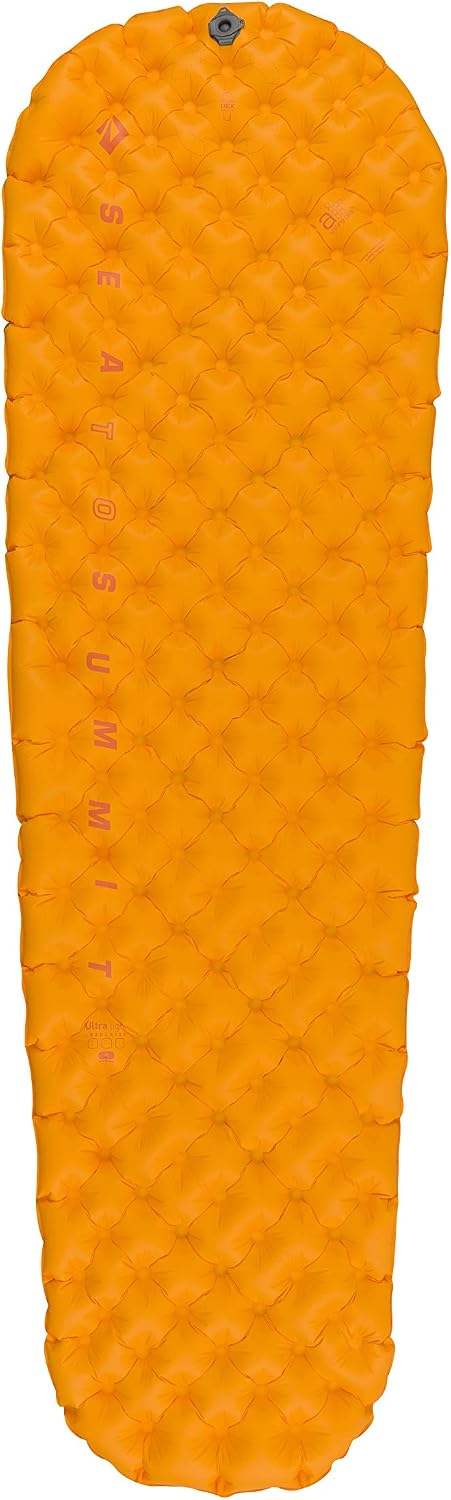
Sea to Summit Ultralight Insulated Pad
This insulated sleeping pad is a solid choice for family camping trips, offering a comfortable 2-inch thick surface and a 3.1 R-value that works well for spring through fall.
Why we love it
- Comfortable for side sleepers
- Packs small for family trips
- Easy inflation with included pump
Pros
- Lightweight at 1.1 lbs
- Insulated for 3-season use
- Quiet fabric doesn't crinkle
Cons
- Only 2 inches thick
- Narrow for restless sleepers

NEMO Eclipse Pad Long Wide
The NEMO Eclipse is the thickest NEMO pad, with R6.2 insulation and quiet fabric for restful sleep on family camping trips.
Why we love it
- Thick 4-inch cushion for side sleepers
- R6.2 insulation for cold nights
- Quiet fabric won't wake the kids
Pros
- Thickest NEMO pad
- R6.2 insulation
- Quiet fabric
- Contoured sleep surface
Cons
- Pricey
- Heavy for backpacking

Therm-a-Rest NeoAir Xlite NXT
An ultralight 13-ounce sleeping pad with a 4.5 R-Value that keeps you warm on shoulder-season family trips without adding weight to your pack.
Why we love it
- Saves weight for kid gear
- Warm enough for fall camping
- Packs as small as a water bottle
Pros
- Ultralight at 13 oz
- High R-Value 4.5
- Compact packed size
- WingLock valve for easy deflate
- Baffled structure for stability
Cons
- Narrow for side sleepers
- Crinkly noise when moving

CAMFUNNY 6in Sleeping Pad
This 6-inch thick sleeping pad with built-in foot pump inflates in 30 seconds, giving family campers hotel-like comfort without the hassle.
Why we love it
- Inflates in 30 seconds with foot pump
- 6-inch thickness keeps you off cold ground
- Connects multiple pads for family use
Pros
- Built-in foot pump
- 6-inch thick padding
- Connects to other pads
- Lightweight at 2.4 lbs
- Supports up to 550 lbs
Cons
- Narrow for side sleepers
- Pillow may be too firm
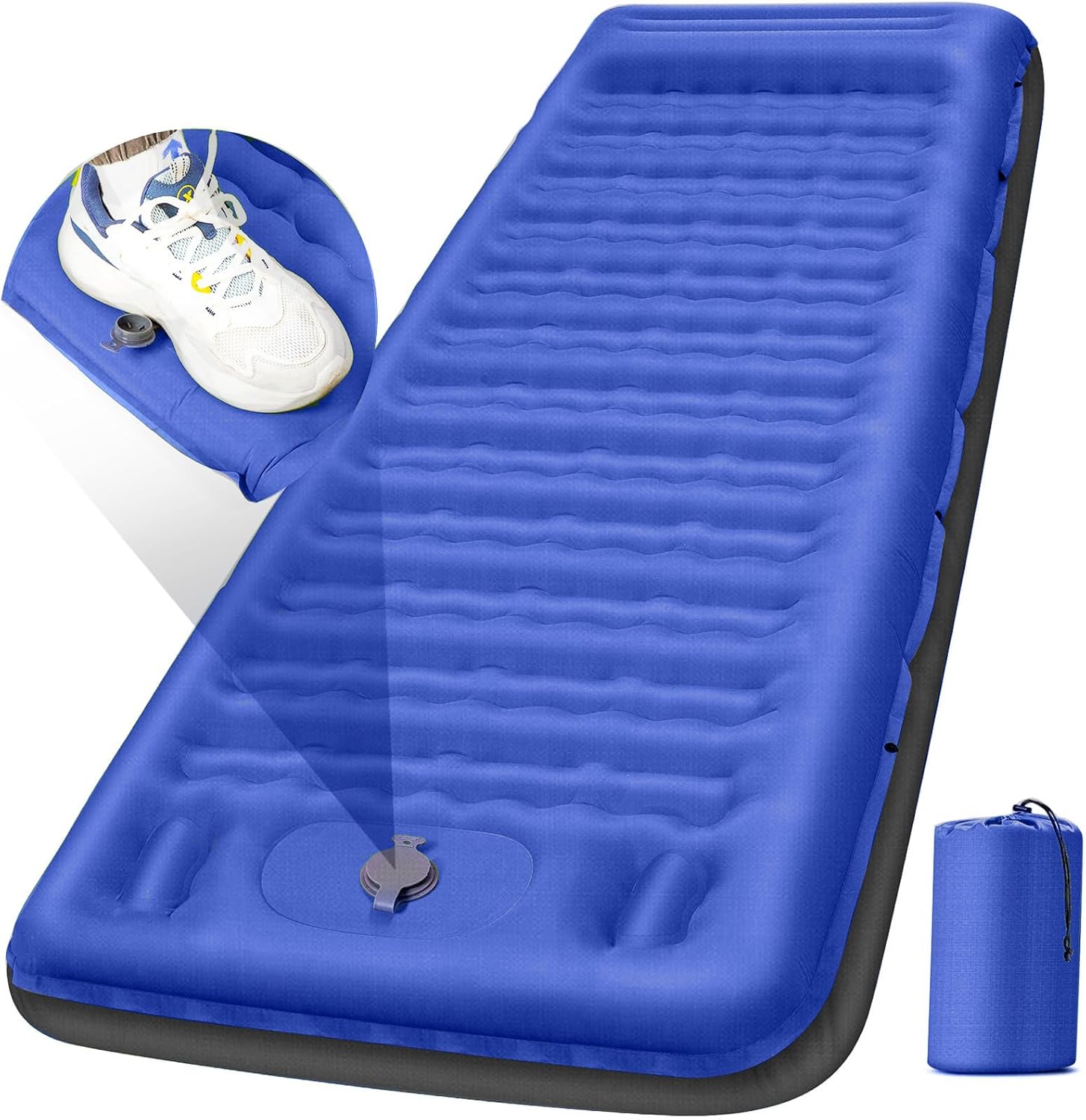
FNARMW 5in Sleeping Pad
This 5-inch sleeping pad inflates in 60 seconds with its built-in foot pump, giving the whole family quick comfort at camp.
Why we love it
- No more blowing up pads by mouth
- Side sleepers get real comfort
- Handles two kids or gear easily
Pros
- Built-in foot pump
- 5-inch thickness
- 800lb capacity
- Quick deflate valve
- Compact carry bag
Cons
- Heavy for backpacking

NEMO Tensor All-Season Pad
The NEMO Tensor All-Season is an ultralight insulated sleeping pad that stays quiet and warm enough for family shoulder-season trips.
Why we love it
- Ultralight at just 14 oz
- Quiet insulation won't wake kids
- R-5.4 handles cold nights
Pros
- Quiet aluminized film insulation
- Ultralight at 14 oz
- R-5.4 for three seasons
- Durable 20D/40D nylon
- Pump sack included
Cons
- Narrow mummy shape
- Pricey compared to foam pads

Therm-a-Rest NeoLoft Large Pad
The Therm-a-Rest NeoLoft is a lightweight backpacking pad that delivers car-camp comfort with its thick 4.6-inch 3D construction and side rails for side sleepers.
Why we love it
- Side rails keep you centered all night long
- Ultra-soft stretch knit feels like base layer
- Pump sack inflates pad in under a minute
Pros
- 4.6-inch 3D construction
- Side rails prevent roll-offs
- Stretch knit top fabric
- R-value 4.7 insulation
Cons
- Heavy for ultralight backpackers
- Expensive compared to car camping pads
Matching the Pad to Your Trip and Sleep Style
Ground feel ruins a lot of otherwise good camping trips. The best sleeping pads do more than add cushioning. They insulate you from cold ground, keep you centered on the mat all night, and pack small enough that you do not resent carrying them. After 14 years of family camping, I learned the hard way that pad thickness, R-value, weight, and inflation method matter far more than brand loyalty.
Most people buy pads too small or too soft for their trip length. You will bottom out on a 2-inch pad after two nights with a partner, and you will freeze on a summer pad if you camp in the shoulder seasons. The right pick depends on where you are sleeping, how much you move at night, and whether you are stuffing it into a backpack or loading it into a van.
Cushioning and Thickness
A sleeping pad works like a spring mattress at night. Thicker pads (4 to 6 inches) feel more like a bed and prevent bottoming out when your hips or shoulders sink into the center. Thinner pads (2 to 3 inches) weigh less and pack smaller, which matters for backpacking. The FNARMW Camping Sleeping Pad offers 5 inches of loft with a built-in foot pump, making it easy to fine-tune firmness without mouth inflation. If you prioritize weight over comfort, a 3-inch air pad stays manageable on multi-day hikes.
R-Value and Warmth for Your Season
R-value measures insulation. A 3.0 to 4.0 rating handles summer and early fall. Jump to 4.5 or higher (and up to 6.2) if you camp when nights dip below 50 degrees or if you sleep cold. The NEMO Equipment Eclipse Sleeping Pad reaches R6.2 with metallized film that reflects heat back to you, so you stay warm without adding bulk. Ultralight backpackers often pair a thin foam pad beneath an air pad to boost R-value without sacrificing packability.
Weight and Pack Size for Your Activity
Backpacking means every ounce counts. The Therm-a-Rest NeoAir Xlite NXT Ultralight Camping weighs only 13 ounces and rolls to the size of a water bottle. Car camping lets you prioritize comfort over weight, so a 4 to 6-inch pad or a self-inflating model becomes realistic. Packed size matters too. A pad that takes up half your backpack volume is an anchor whether it weighs 2 pounds or 3.
Inflation Method
Manual breath inflation tires your lungs on cold mornings. Integrated foot pumps like the one on the FNARMW take 30 to 60 seconds and require no gear. Valve quality matters. A reliable valve should open and close cleanly, hold air all night, and deflate quickly in the morning. Stuck valves turn a simple setup into frustration.
A pad that feels comfortable for one night might leave you sore or cold by night three. Test it on a real trip before committing to a long expedition.
Pad Types and Where They Fit
Air Pads
Air pads are the lightest and most packable. They respond to pressure changes and can shift under you if not inflated firmly enough. Most hikers prefer them for trips under four nights because they compress to backpack-friendly sizes. They fail if punctured, though patch kits usually come in the box. A pinhole in a mountain pass is a real problem.
Self-Inflating Pads
These blend air and foam. When you open the valve, the foam expands and draws air in, so you finish inflating by mouth or pump. They are more durable than air pads, they do not lose air as easily when temperatures drop, and they provide some insulation even if fully deflated. The trade-off is weight and bulk. They suit car camping and van trips better than long backpacking routes.
Closed-Cell Foam Pads
Foam pads never puncture, never need pumps, and cost under $30. They are stiff and uncomfortable compared to air pads, they do not pack as small, and they offer minimal insulation. Use them as a backup pad, a sit pad while hiking, or a base layer under an air pad on cold nights.
Size, Fit, and Who It Suits
Standard vs. Wide Pads
A standard pad is roughly 20 inches wide. If you toss and turn, sleep on your side, or share a tent with a restless partner, a 25 to 30-inch wide pad keeps you from rolling off. Wide pads also fit two people better. Longer pads (72 to 78 inches) cover your shoulders and hips fully, which matters more than most people realize. A short pad leaves your feet on cold ground.
Fit in Your Tent or Van
Measure your tent floor or van sleeping space before buying. Many pads fit fine lying flat but crease or fold when you tilt them into corners. Wide pads can feel snug in a two person tent and great in a truck bed or camper van.
Staying Comfortable on the Road
Preventing Air Loss Overnight
Temperature swings deflate air pads slightly. On a 50-degree night, your pad might lose 10 to 15 percent of firmness. Inflate it fully before bed. Check in the morning and top it off if you plan another night. In freezing weather, keep the pad in your sleeping bag during the day if possible, so it does not get so cold that it loses air pressure.
Protecting the Pad from Punctures
Pinecones, sharp rocks, and broken twigs under your tent floor can puncture air pads. Lay out a ground sheet or tarp under your tent. Carry a patch kit, even if the pad came with one. On long trips, inspect the pad bottom each morning for debris.
Cleaning and Drying
After a wet trip, let the pad air dry fully before packing it away. Moisture trapped inside foam or between layers creates mold. Wipe the surface with a damp cloth and mild soap if it is sticky or sandy. Never machine wash or dry a pad.
Storage Between Trips
Store air and self-inflating pads partially inflated or fully deflated, never tightly compressed or fully pumped. High pressure degrades the seams and materials over months. Keep pads in a cool, dry place away from direct sun.
A leaky seal discovered at camp is a long night with no insulation. Test your pad at home on a cold evening before taking it into the backcountry.
Tips
- Know your sleeping position. Side sleepers need cushioning. Back sleepers tolerate firmer pads. Test before you buy if possible, or check return policies.
- Pair foam under air for winter camping. A 1-inch foam pad under a 3-inch air pad gives you 4 inches of loft and an R-value boost without much weight penalty.
- Mark your pad clearly. Use a waterproof marker to label yours if you camp with others. Pads look similar in the dark, and mix-ups happen.
- Inflate fully, then adjust. Let the pad sit for 10 minutes after inflating. It settles, and you may need to add a bit more air to reach the firmness you want.
- Keep the valve clean and dry. Sand or dirt in the valve threads will cause leaks. Wipe it after each trip and store the dust cap on it.
- Bring a repair kit even if you do not expect trouble. A small patch kit weighs almost nothing and has saved many nights in the field.
FAQ
What R-value do I need for three-season camping?
A. An R-value between 3 and 4 handles spring and fall trips in the Pacific Northwest. If you camp in the high Cascades or in winter, move to 4.5 or higher. Summer-only camping can get away with R2.5 to R3, but a slightly warmer pad gives you flexibility for shoulder-season trips.
How much does weight really matter on backpacking trips?
A. Every pound adds up over a 10 to 15-mile day. A 13-ounce pad versus a 2-pound pad is a meaningful difference on your back. For car camping, weight is almost irrelevant. For multi-day hikes, ultralight pads make the trip more enjoyable.
Can you use the same pad year-round?
A. Yes, if you choose one with an R-value of 4.5 or higher. You may feel slightly warm in summer, but you can unzip your sleeping bag to cool off. A mid-range R-value (3 to 4) only works in mild seasons.
Do built-in pumps really save time?
A. Yes. A foot pump inflates a pad in 30 to 60 seconds without exhausting you. Mouth inflation takes 3 to 5 minutes and leaves you lightheaded. If you value fast setup, a built-in pump is worth the slight weight increase.
What is the actual lifespan of an air pad?
A. With care, 5 to 10 years. Neglect (stored fully inflated, left in hot sun, punctured and patched poorly) shortens it to 2 to 3 years. Check seams and the valve each season. A pinhole often shows as gradual deflation over a few hours, not sudden loss.
Should I buy a wide pad if I sleep alone?
A. Not required, but helpful if you roll around at night or camp on uneven ground. A standard 20-inch pad is fine if you sleep still. A 25-inch pad gives you buffer room if a night gets cold and you draw your knees up, or if you shift position multiple times.



Write Your Review
No reviews yet. Be the first to share your experience!