


Siberian Coolers Alpha Pro 65 Qt
Heavy-duty 65-quart rotomolded cooler built for weekend heat and constant lid access with military-grade latches that actually seal tight.
Why we love it
- Thick walls handle minivan packing without leaking
- Cam latches stay flush so gear stacks tight around it
- Bear-resistant certified for backcountry dispersed sites
Pros
- Up to 2.75 inches of insulation
- Hard-anodized aluminum latches
- Reversible non-slip rubber feet
- IGBC certified bear resistant
- Includes basket and divider board
Cons
- Heavy when full, needs two to carry
- Pricey for a weekend cooler

EchoSmile 25-75 Qt Rotomolded Cooler
Built-tough rotomolded cooler with a freezer gasket that actually seals, rated for five days of ice retention even in high desert heat.
Why we love it
- Silicone gasket seals tight against constant lid opening
- One-piece rotomolded body won't crack under minivan shifts
- Quick-drain plug empties without tilting or tipping over
Pros
- Rotomolded one-piece construction
- Freezer-grade silicone gasket seal
- Rated 120+ hours ice retention
- Quick-drain plug for cleanup
- Integrated bottle opener and ruler
Cons
- Heavy when loaded with ice and food
- Price runs around $150 range

Lifetime 65 Qt Hard Cooler, Bear Resistant
A tough 65-quart cooler rated for eight days of ice that handles real family camping without leaking or breaking.
Why we love it
- Certified bear-resistant with lock holes
- Rated for eight days of ice retention
- Rope handles and drain plug for campground trips
Pros
- Bear-resistant certified
- Eight-day ice retention rating
- Rope handles with grip injection molding
- Capped drain plug with hose compatibility
- Heavy-duty polyethylene construction
Cons
- 25.5 pounds empty, heavier when full
- Pricey compared to standard coolers

RTIC 65 QT Rotomolded Hard Cooler
Heavy-duty rotomolded cooler built to survive a hot weekend with the family and still seal tight after a minivan ride.
Why we love it
- 2.4 inches of foam keeps ice solid through hot days
- Rotomolded body handles bumps and gets carried full
- Holds enough for a family of four for three days
Pros
- Rotomolded one-piece construction
- 2.4 inches of closed-cell foam insulation
- Holds up to 84 cans of drinks
- Freezer-grade lid gasket seal
- Works as bench or step stool when empty
Cons
- Heavy when full, needs two people
- Price runs around $270

EchoSmile 25-75 Qt Rotomolded Cooler
Rotomolded hard cooler rated for five days of ice retention. Built tough enough for weekend desert trips with two kids constantly opening it.
Why we love it
- Polyurethane insulation keeps ice solid through hot days
- One-piece rotomolded body won't crack or leak under use
- Drain plug and cup holders cut cleanup and organization time
Pros
- Rotomolded one-piece construction
- Silicone gasket seals tight when latched
- Quick-drain plug for hassle-free cleanup
- Molded cup holders and bottle opener included
- Rated 75+ hours ice retention in ideal conditions
Cons
- Heavy when fully loaded with ice and food
- Premium price for the category
What a 65-Quart Box Actually Holds
A 65-quart cooler sounds roomy until you load it for a real trip. Best 65-quart coolers sit at a crossroads: big enough for a family weekend without being so heavy that one person struggles to move it full. But the math matters. A 65-quart capacity rated in a lab does not mean 65 quarts of usable space once ice goes in. You lose real volume to insulation thickness, the internal wall footprint, and the space ice itself occupies.
After 5 seasons of loading these boxes for Cascade weekends and high-desert trips, the right choice comes down to understanding what you are actually buying: usable interior space, how that space trades off against ice retention, and whether the box will survive repeated trips without latches cracking or drain plugs leaking in a packed vehicle.
Rotomolded Construction and Wall Thickness
Rotomolded coolers dominate this size range for good reason. The one-piece construction means no seams to fail, and the thicker walls hold ice longer than injection molded boxes. The EchoSmile 65-Quart Rotomolded Cooler uses seamless LLDPE with a polyurethane core, giving you roughly 2 inches of insulation. Compare that to a thinner entry cooler, and the difference is measurable over a hot weekend. Weight goes up with thicker walls (this one runs around 25 to 30 pounds empty), but you are paying for durability and performance, not lightness.
Ice Retention Claims and Real-World Testing
Manufacturers publish ice retention figures tested sealed and unopened in a lab. That is not a family camping trip. The Lifetime Hard Cooler 65-Quart claims up to 8 days of ice retention. That holds true if you pre-chill it, pack it with a 2:1 ice-to-contents ratio, and almost never open the lid. In practice, with kids opening it every ten minutes for snacks and the box sitting in afternoon sun, expect 3 to 4 days reliably. The rating is honest but depends on discipline and technique that real families rarely maintain. What matters is the gap between the claim and the real number. Thicker insulation closes that gap, but nothing closes it completely.
Gaskets, Latches, and Drain Plugs
The gasket is where most coolers fail in the field. A silicone gasket that stays pliable through seasons beats a cheaper rubber compound that gets brittle and stops sealing. Check the hinge design when you get the box. The RTIC 65-Quart Ultra-Tough Cooler uses reinforced latches that resist cracking in cold mornings, a real problem on high-altitude trips. Drain plugs are the other failure point. A capped drain that threads smoothly beats a loose-fitting rubber bung that leaks in a packed minivan. Easy drainage matters not just for emptying meltwater, but for rinsing after a fishing trip without pulling everything out.
Weight and Vehicle Fit
A 65-quart box filled with ice and food runs 55 to 65 pounds. One adult can move it, but barely, especially if the cooler has no handles or the handles are flimsy. Interior footprint is the other constraint. A 65-quart cooler typically measures around 28 inches long and 18 inches wide. That fits most minivans, SUVs, and truck beds, but measure your vehicle before buying. Width matters more than depth for tight spaces. Check whether the box will sit flat with a full load, because a cooler tilting against cargo shifts weight and stresses the hinges.
Where the Money and the Weight Go
Entry-Tier Rotomolded Boxes
Entry rotomolded 65-quart coolers use thinner walls (usually 1.5 inches of insulation) and simpler gasket designs. They hold ice for 3 to 4 days under realistic conditions and weigh 20 to 25 pounds empty. The trade-off is that latches and drain plugs are less robust, and the gasket may not seal as tightly after a season of use. These boxes are built to last a few years of casual camping, not a decade of hard use. If you are doing two or three trips a year, this tier gets the job done. The construction is still one-piece rotomolded, so the risk of cracks and leaks is low, but you are cutting corners on the details that prevent slow seepage.
Mid-Range Rotomolded Coolers with Reinforced Hardware
Mid-tier boxes add 2 to 2.2 inches of insulation, better silicone gaskets, and threaded drain plugs that do not leak. Latches are stronger, and hinges are designed to stay tight through temperature swings. Weight creeps up to 25 to 30 pounds empty, and ice retention climbs to 4 to 5 days in realistic family scenarios. This is where most of the 5 picks live. You are paying for a box that will handle weekly trips for years without requiring replacement parts or developing slow leaks. The gasket stays pliable, and the drain plug does not become a liability on the drive home.
Premium Rotomolded Coolers with Accessories
Premium boxes exceed 2.2 inches of insulation and include reinforced corner protection, locking hardware that secures the lid against bears, and accessories like divider boards and basket inserts. Some models include a security bracket for campground carts or locks for overlanding. Weight exceeds 30 pounds empty. The Siberian Coolers Alpha Pro Series 65-Quart comes with a wire basket, cutting board, lock bracket, and cup holder, letting you organize food and keep it off meltwater. Ice retention can reach 5 to 6 days even with frequent opening if pre-chilling and ice ratio are right. This tier makes sense if you are doing long base camp trips, want certified bear resistance, or plan to use the cooler for more than five years.
Packing It So the Ice Lasts
Pre-Chill the Night Before
Filling a room-temperature cooler with ice and expecting a five-day hold is fantasy. The walls need to be cold first. Put the empty box in a cold garage or a shaded spot outside overnight, or fill it with ice the morning before you leave and drain the meltwater before loading food. A pre-chilled cooler keeps ice 1 to 2 days longer than a warm one, and that difference matters on a hot weekend. If you are doing a quick day trip, skip this step. For anything longer than 48 hours, pre-chilling is non-negotiable.
Use a 2:1 Ice-to-Contents Ratio
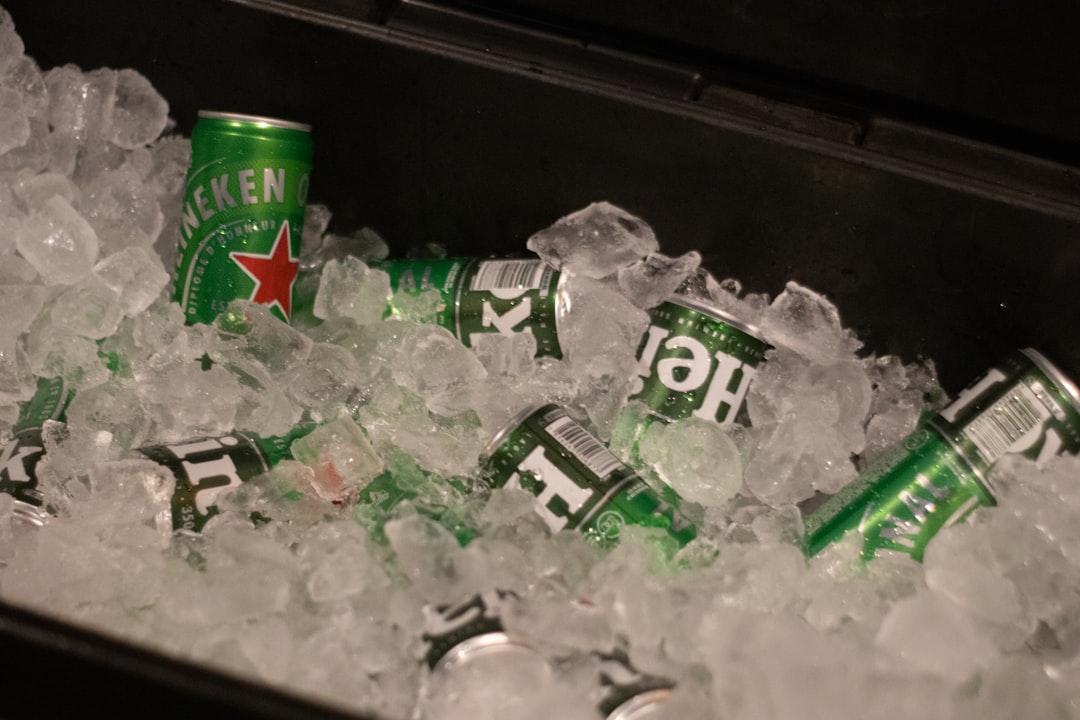
The standard formula is two parts ice to one part food and drinks by volume. In a 65-quart box, that means roughly 40 to 45 quarts of ice and 20 to 25 quarts of food. The exact ratio depends on how often the lid opens and how hot it gets, but this baseline keeps your box cold without wasting ice or running out of storage space. Block ice lasts longer than cubed ice because it melts slower, presenting less surface area to warm air. A single 5 to 10-pound block surrounded by cubes works better than all cubes. Freeze a gallon milk jug or two filled with water if you are not buying pre-made block ice. It melts slower and does not waste money on individual bags.
Keep Food Above Meltwater
Load ice on the bottom, then a layer of food in the middle, then more ice on top. Do not let food sit directly in meltwater, which breeds bacteria and softens packaging. Use a removable basket or divider board to elevate food, or pack drinks and ice on the bottom and solid food items on top. If your cooler came with a basket insert, use it. If not, a simple wire rack or a piece of rigid plastic raised off the bottom keeps food out of standing water. Drain meltwater every 24 to 48 hours depending on heat and opening frequency.
Shade and Ventilation Matter More Than You Think
Direct sun accelerates melting. Park the cooler under a tree or under a tarp at camp, and ice lasts noticeably longer. Ventilation around the cooler lets air circulate, preventing heat buildup on the sides and bottom. Do not pack the cooler against a hot surface or bury it in gear where hot air gets trapped. A cooler sitting in open shade with air moving around it outperforms one sealed in a cargo area by hours or even a full day. On high-desert trips where temperatures exceed 95 degrees in the afternoon, shade is the difference between a cold dinner and a warm one.
Tips From the Road
- Drain plugs fail from debris. Before each trip, check that the drain plug threads smoothly and tightens fully. Sand and lint can lodge in the threads, causing slow leaks that show up at home after the trip. Clean the plug and the opening with a dry cloth before every use.
- Silicone gaskets dry out in storage. If a cooler sits unused for a season, the gasket can lose pliability and stop sealing. Wipe it with a slightly damp cloth before packing for a trip. If it feels cracked or brittle, replacement gaskets are worth the cost to restore performance.
- Latches need a break-in period. New latches can be stiff and require more force to close. Do not assume a tight latch is a broken one. Close it firmly a few times during setup, and it usually loosens to a normal feel. If it stays too tight after five or six presses, the hinge may be misaligned.
- Store it with the lid cracked. A sealed cooler sitting in a garage traps moisture and can develop mildew on the interior gasket. Leave the lid propped open an inch or two during off-season storage to let air flow through.
- Test the seals before a long trip. Fill it with ice, let it sit for 24 hours, and check for seepage around the lid and at the drain. A slow leak that shows up in your garage now costs you ice (and peace of mind) in the mountains later.
Rotomolded boxes are the workhorse of family camping. They survive neglect and repeated trips better than any other construction.
Common Questions
Does an eight-day ice retention claim actually mean eight days in the field?
No. That test is run with the cooler sealed and unopened in a controlled lab environment, usually at room temperature around 70 degrees with ice packed in a specific ratio. Real camping means opening the lid five or ten times a day, sitting in 85 to 95-degree heat, and packing food that takes up space alongside ice. Realistic expectations are 3 to 5 days depending on those variables and your pre-chilling discipline. The claim is honest but does not translate directly to camping conditions.
Can I fit three adults’ food and drinks for four days in a 65-quart cooler?
Technically yes, but it will be tight and ice retention will suffer. With a 2:1 ice-to-contents ratio, you have roughly 20 to 25 quarts of actual space for food and drinks. That supports three people for two days comfortably or three people for four days if you pack lean (no bulky packaging, mostly shelf-stable items, drinks pre-chilled). For a four-day trip with kids, consider a 90 to 110-quart box or bring two smaller coolers so one holds just ice and drinks and the other holds food.
Do I need to lock a cooler if bears are in the area?
Locking is only useful if the cooler is certified bear-resistant and actually locked. Many park regulations require it. A loose cooler locked with a cable is not bear-resistant, just locked. If the area requires certified bear-resistant storage, the Siberian Coolers Alpha Pro includes a lock bracket designed for that purpose. If bears are unlikely but possible, locking with a carabiner or cable is a reasonable precaution that costs nothing and discourages curious wildlife.
What is the best way to clean mildew from the interior?
Fill the cooler with a 1:10 bleach-to-water solution, let it sit for 30 minutes, scrub the interior with a brush, and rinse thoroughly with fresh water several times. Leave the lid open to dry completely before storing. Mildew usually develops when a cooler is stored wet or with the lid sealed. Prevention (store with the lid cracked) is easier than cleaning. If mildew returns repeatedly, the gasket may be harboring spores and may need replacement.
Can I use a 65-quart cooler in winter to keep food from freezing?
Not reliably. A rotomolded cooler insulates in both directions, but it does not generate heat. In freezing conditions, food inside can still freeze because the walls prevent ambient warmth from reaching the interior and can actually conduct cold inward. For winter camping, store the cooler inside your tent during the day and only load it with food that needs to stay above freezing just before the meal. A cooler is not a solution for winter food storage; it is one small part of a larger strategy that includes inside-tent storage and insulation.
Ice retention claims matter less than your packing discipline and how often you open the lid.




Write Your Review
No reviews yet. Be the first to share your experience!