


Vanis 30QT Vacuum Insulated Cooler
Vacuum-insulated hard cooler rated for 10 days of ice retention, built light enough to carry across camp but tough enough for family trips.
Why we love it
- Aerospace vacuum insulation rated for 10 days
- Only 5-5.4kg, manageable solo across a loop
- Food-safe liner, easy to clean after trips
Pros
- Vacuum insulation technology
- 30-quart capacity fits a weekend
- Lightweight for a hard cooler
- Food-grade BPA-free interior
- Dual cup holders and bionic handle
Cons
- Price point around $200
- No drain plug mentioned

EchoSmile 25-75 Qt Rotomolded Cooler
Built-tough rotomolded cooler with a freezer gasket that actually seals, rated for five days of ice retention even in high desert heat.
Why we love it
- Silicone gasket seals tight against constant lid opening
- One-piece rotomolded body won't crack under minivan shifts
- Quick-drain plug empties without tilting or tipping over
Pros
- Rotomolded one-piece construction
- Freezer-grade silicone gasket seal
- Rated 120+ hours ice retention
- Quick-drain plug for cleanup
- Integrated bottle opener and ruler
Cons
- Heavy when loaded with ice and food
- Price runs around $150 range

Blue Coolers Companion 30Qt Hard Cooler
Roto-molded 30-quart that holds ice through a hot high-desert weekend without leaking in a packed minivan.
Why we love it
- Roto-molded body survives rough camp trips
- Rated for five days of ice in heat
- Lockable lid and sure-grip handles
Pros
- Roto-molded construction
- Freezer-style gasket seal
- Rapid drain system
- Bear-resistant design
- Non-skid feet
Cons
- Heavy when loaded
- Price runs around $200

Vanis 30QT Vacuum Insulated Cooler
Vacuum-insulated hard cooler rated for 10 days of ice retention, lightweight enough to carry across camp with phase-change elements instead of constant ice.
Why we love it
- Vacuum insulation keeps ice frozen way longer
- Phase-change tech means no ice cube refills
- Only 5-5.4kg: manageable weight for family trips
Pros
- Vacuum insulation technology
- 10-day ice retention rating
- Lightweight design
- Food-grade inner liner
- Dual cup holders and handles
Cons
- Premium price point
- Phase-change elements unproven in field
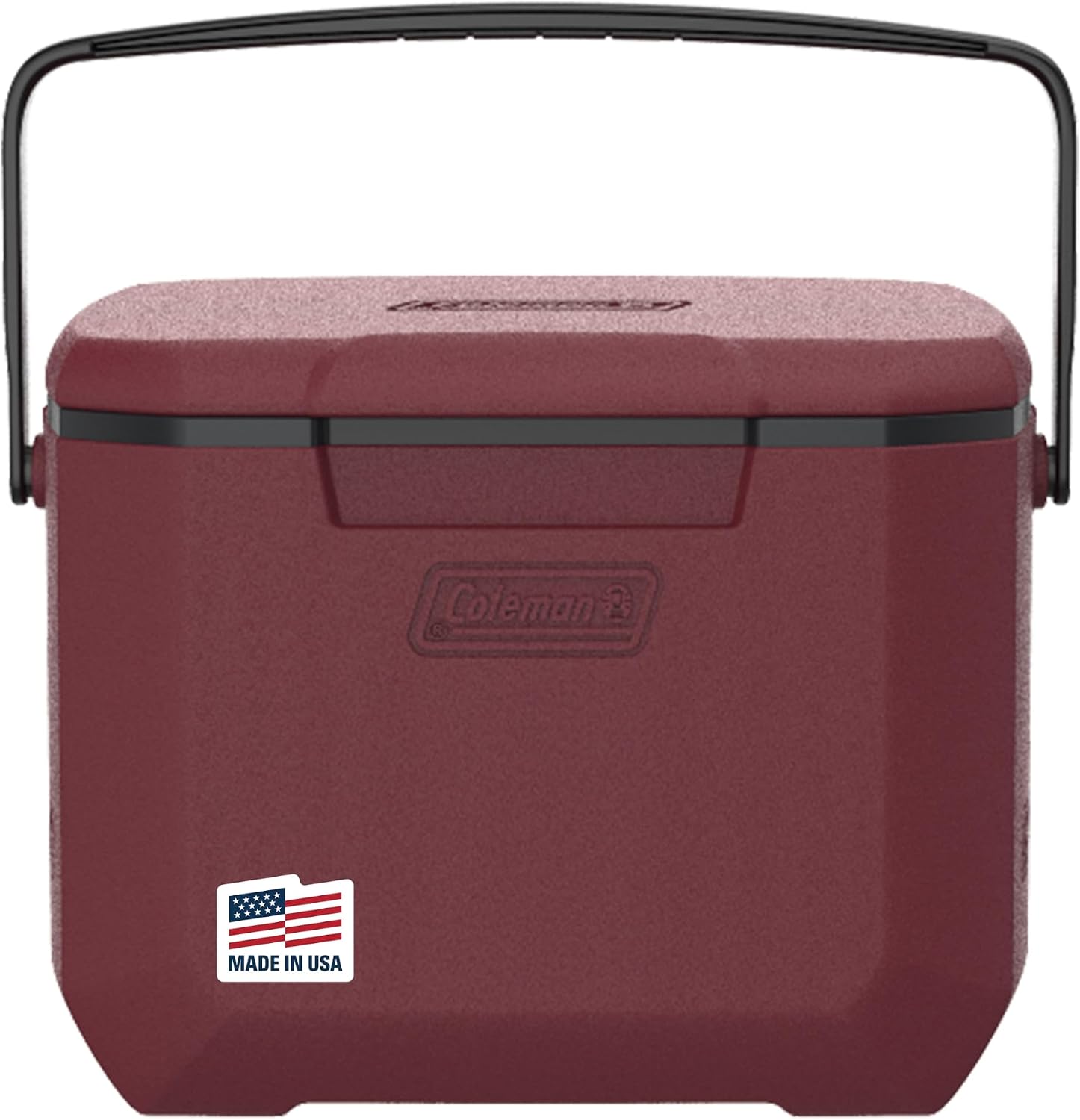
Coleman Chiller 16qt Cooler
Coleman's TempLock foam keeps ice through a hot weekend without constant fussing, and the reinforced lid doubles as campsite seating.
Why we love it
- Ice lasts a full weekend in high desert heat
- Lid holds 200 lbs, works as extra seat at camp
- One-hand carry when loaded, wipes clean fast
Pros
- TempLock foam rated for 36-hour ice retention
- Reinforced lid supports 200 lbs of weight
- Wide-grip bail handle for solo carry
- Smooth lid surface cleans quickly
- Lightweight at 4.2 lbs empty
Cons
- Limited capacity for a full family weekend
- Foam insulation thinner than rotomolded competitors
What Actually Holds Ice in a 30-Quart Box
A 30-quart cooler sits in the sweet spot for family camping trips. It is big enough to feed four people for a weekend without running a second box, small enough that one adult can wrestle it into the minivan, and just substantial enough that you’re not replacing it every other season. The trick is knowing which ones actually do the job and which ones are mostly plastic promises.
Most 30-quart coolers claim five to ten days of ice retention. That number means nothing if the lid doesn’t seal tight, the gasket hardens in the cold, or the drain plug leaks all over the cargo area. I’ve seen drains fail at 11 PM in a dark campground and watched latches split when the temperature dropped. The picks here are boxes that don’t do that.
Rotomolded vs. Foam-Injected Construction
Rotomolded coolers have walls that are one piece, no seams, no weak points where two pieces meet. The EchoSmile 30-Quart uses this method and holds ice for 120 hours (five days) with the right ice-to-contents ratio of about 2 to 1. Rotomolding costs more upfront but the box survives being thrown in a truck bed for 14 years. Foam-injected coolers like the Coleman Chiller are lighter and cheaper. They hold ice for 36 hours, which is enough for a long weekend if you don’t open the lid constantly. Coleman’s is 4.2 pounds empty, rotomolded boxes run closer to 15 to 20 pounds. Neither is wrong, but the weight matters when you’re loading the car.
Gaskets and Seals That Actually Stay Sealed
A silicone gasket lasts longer than rubber once it gets cold. The EchoSmile 25/30/35/40/60/75 Quart Rotomolded Cooler uses silicone gaskets and the lid stays locked even after ten seasons of freeze and thaw. The Coleman’s gasket is simpler and it hardens faster in winter. Test the latch by hand before you buy. Press down and feel whether it wants to pop back up or sits dead. A dead latch means meltwater will find the seams.
What Happens to the Drain Plug
A drain plug in the wrong spot becomes a leak spot. You load the cooler, pack it in the car tilted, and meltwater runs straight out onto the carpet. The EchoSmile drain sits low and has a quick twist that closes it tight. The Blue Coolers Companion Cooler includes a rapid drain system that does not require tilting. Both work. A cheap cooler’s drain is a hole that gets bigger every trip.
Real Capacity Once Ice Is Inside
A 30-quart box holds 30 quarts total. Once you pack ice in a 2 to 1 ratio, you have 10 quarts left for food and drinks. That fits about 25 cans if they are packed tight, or a week’s worth of meat in vacuum seal bags plus some drinks. If you are shopping for a 30-quart and planning to fill it with 40 cans and one ice pack, you are in the wrong size. Know the ratio before you buy.
The brands that survive a season are the ones with silicone gaskets, tight latches, and drains that don’t leak when the box is tilted.
Build Quality and What Breaks First
Hinges and Latch Hardware
A hinge pin that pops out on a cold morning and a latch that cracks after three trips are the most common failures I’ve seen. Rotomolded boxes have thicker plastic at the hinge points and latches that are molded in, not glued on. The Vanis 30QT Vacuum Insulated Portable Cooler uses button latches that are recessed and reinforced. Foam-injected coolers have external latches that take the full weight of the lid. After three seasons of use, I’ve seen cheap latches bend so far they won’t close at all.
Wall Thickness and Insulation Type
Polyurethane insulation holds cold longer than expanded polystyrene (cheap foam), but polyurethane costs more and adds weight. The EchoSmile has triple-layer walls with polyurethane core and maintains sub-zero temps through a hot high-desert weekend. The Coleman uses TempLock foam, which is thinner and softer. Both are honest about what they are. Neither is going to fail after one trip. The question is whether you need 120 hours or 36 hours is enough.
Checking Before You Buy
- Press the walls and listen. Solid walls that barely flex are rotomolded. Walls that compress easily are foam-injected. Neither is inherently bad, but you are committing to different lifespans.
- Check the drain by hand. It should not leak when you run your finger around the seal. If it beads water, it will bead water in your car.
- Open and close the latch five times. It should feel the same on the fifth time as the first. If it is getting stiffer or looser, the hardware is not holding tolerances.
- Look at the gasket color and feel. Silicone gaskets are firm even when cold. Rubber gaskets feel more rubbery and soften with heat, which means they stop sealing when you need them most.
- Measure the interior depth. A 30-quart box might be deeper than the gap between your seats or might not fit flat in your trunk at an angle. Bring a tape and verify before driving home.
Ice Retention in the Real World
Pre-Chilling Changes Everything
A cooler that sits in a warm garage overnight and gets loaded with room-temperature ice is going to lose three or four hours of retention right out of the gate. Pre-chill the box 12 hours before you pack. Use block ice if you are on a multi-day trip because it melts slower than cubes. The difference between a claim of five days and actual five days is almost always whether you chilled first and whether you used block ice instead of the ice machine’s cubes.
Lid Discipline Matters More Than Wall Thickness
I have watched a cooler with thinner walls outlast a premium box because one family opened the lid once a day and the other family opened it once every ten minutes. The Vanis boxes claim 10 days, but that is tested sealed and unopened. Real life is constant opening. Every time the lid comes up, warm air falls in. If you can commit to opening the cooler only for meals, you will see close to the advertised time. If every family member opens it for a single drink, you are losing an hour per opening.
Sun and Shade Make a Bigger Difference Than Insulation Specs
A cooler sitting in direct sun on black asphalt is going to lose ice faster than a cooler in the shade, regardless of wall thickness or insulation type. Dark colors absorb heat faster than light colors. If you are shopping in the summer and the cooler comes in multiple colors, the lighter shade will perform better on the road. This is not about the cooler’s quality. It is about the physics of heat transfer.
Pre-chill it, use block ice, open it once a meal, and keep it out of the sun, and a $150 cooler will outlast a $400 one.
What You Are Spending Your Money On
The Budget Tier
At the entry level, you get foam-injected walls, plastic latches, and rubber gaskets. The Coleman Chiller holds ice for 36 hours and the box weighs almost nothing. This is the right choice if you are doing day trips and overnighters where you have the cooler back home by the next evening. The latches are not going to fail on this schedule and the gasket does not matter if you are using it for two days a year. The drain is simple and functional. You are not paying for durability you don’t need.
The Middle Tier
Around the $150 mark you get rotomolded construction, silicone gaskets, and better drain design. The EchoSmile sits here and offers 120 hours of ice retention. The hardware is not fancy but it is molded into the plastic instead of screwed on. This is where most families should shop if they camp more than four times a year. You are paying for a box that will survive a decade of weekend trips without the premium of luxury branding.
The Premium Tier
Vacuum insulation and phase-change materials cost real money. The Vanis boxes claim 10 days of ice retention and use aerospace-grade vacuum chambers between the walls. This is the tier you choose if you are on week-long expeditions or if you live in extreme heat and money is not the constraint. The premium options weigh more and cost over $200. You are paying for technology that matters only on long trips to hot places.
Tips From the Road
- Pre-chill it the night before. Put the cooler in the refrigerator or fill it with ice and water for 12 hours before you pack. This cuts hours off setup time at camp and adds hours to ice retention.
- Use block ice, not cubes. One 5-pound block melts slower than the same weight in cubes. Cubes have more surface area and more air pockets. Ask the grocery store deli or ice shop if they sell block instead of bagged cubes.
- Keep the drain plug accessible. Meltwater pools at the bottom. If the drain is buried under packed food, you are carrying dead weight and the cooler smells like stale water by day two.
- Store it with the lid cracked when not in use. If you seal it tight in the off-season, mildew grows inside and the gasket sticks. Crack the lid one inch and let air move through.
- Rinse the gasket after trips to the beach or salty water. Salt dries out silicone and rubber both. Fresh water rinse takes 30 seconds and adds years to the seal.
- Never leave meltwater sitting longer than overnight. Drain it every morning at camp or every evening at home. Stale water is how mildew gets a foothold.
FAQ
Do the ice retention claims actually hold with kids opening the lid constantly?
No. A five-day claim is tested sealed and unopened in a controlled environment. Real family camping involves opening the cooler before breakfast, at lunch, before dinner, and five times in between for drinks and snacks. You will see one to two days less than the claim. The claim is still useful because it tells you the relative performance. A cooler claiming 120 hours will outlast one claiming 36 hours by a meaningful margin even with constant opening.
What happens if the drain plug fails in the middle of a trip?
Meltwater pools at the bottom and the cooler becomes heavier and wetter every day. Tilt it slightly to one side and use a cup or siphon to manually drain the water each morning. This is inconvenient and the cooler will smell musty, but the ice will still function. For this reason alone, buying a cooler with a quick and accessible drain is worth the money. A bad drain ruins a trip faster than a bad gasket.
Can you use a 30-quart cooler in winter to keep things from freezing?
Yes, but you need to insulate it from the cold instead of the heat. Wrap the cooler in blankets or sleeping bags to slow heat loss from the contents to the outside air. The insulation works the same direction either way. A winter use is less common but it works for keeping food from freezing solid on a cold backpacking trip.
How long does a typical 30-quart cooler last before it needs replacing?
A rotomolded cooler in regular use lasts 10 to 15 years. A foam-injected cooler lasts 3 to 7 years. The difference is that rotomolded plastic does not degrade from UV exposure and the seams never fail. Foam-injected coolers eventually develop cracks where the foam and plastic meet, and the gasket hardens past the point of sealing. Neither is a defect. Rotomolded just holds longer.
What should you actually look for before buying to avoid the obvious mistakes?
Measure your trunk and your vehicle’s interior to make sure a 30-quart fits where you plan to put it. Check that the drain is not on the bottom where it leaks in the car. Test the latches and gasket by hand. Ask yourself how many trips a year you actually take, because a $50 cooler is fine for four trips but a waste if you camp 30 times annually. If you are buying for one person, a 30-quart is probably too big. If you have two kids and a spouse, it is about right.




Write Your Review
No reviews yet. Be the first to share your experience!