


Igloo Trailmate 50Qt Hard Cooler
Fifty-quart hard cooler built for weekend family camping with thick foam walls, locking lid, and draining cup holders that actually work.
Why we love it
- 1.5-inch foam walls hold ice through hot high-desert weekends
- Locking lid gasket keeps contents secure in a packed minivan
- Cup holders drain instead of pooling water on your gear
Pros
- 1.5-inch insulated foam walls
- Lockable lid with gasket seal
- Self-draining molded cup holders
- Extra-wide bail handle with grip
- Integrated bottle opener
Cons
- 15 pounds, heavy when full
- No wheels for long campground walks

Titan Deep Freeze 20Qt Hard Cooler
Rotomolded hard cooler rated for four days of ice in heat, with bear certification and a freezer-grade gasket that actually seals tight.
Why we love it
- Bear-resistant certified for mountain camps
- Freezer-grade gasket holds cold through constant lid opens
- Oversized drain clears fast after a wet trip
Pros
- Rotomolded one-piece construction
- Freezer-grade 360° rubber gasket
- Bear-resistant IGBC certified
- Microban antimicrobial protection
- Heavy-duty T-latches with stainless handle
Cons
- Heavy when fully loaded
- Pricey for the 20-quart capacity
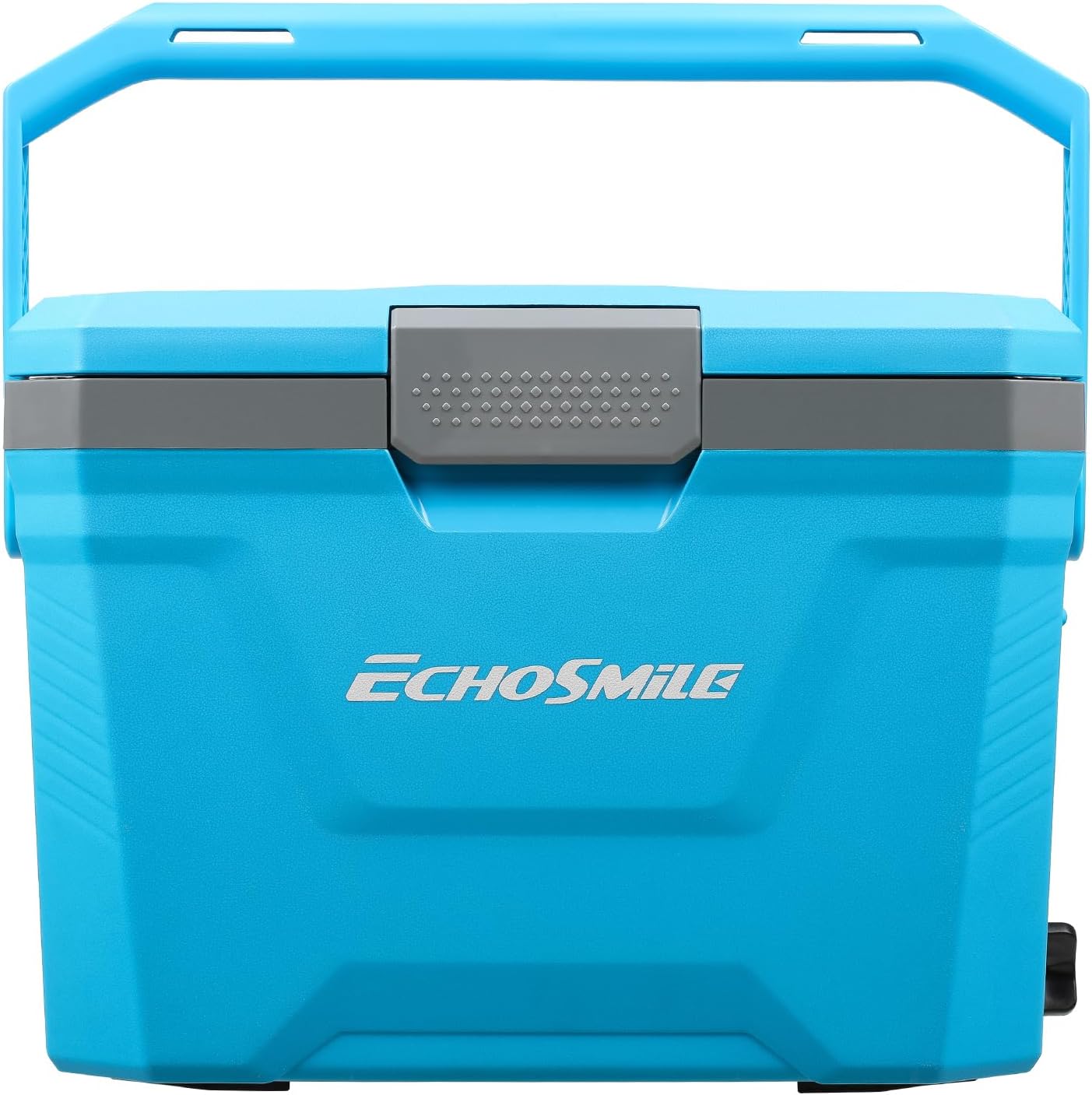
EchoSmile 20/35 Qt Hard Cooler
Standard hard cooler built for family camping with a reliable drain plug and latches that actually stay put through minivan rides.
Why we love it
- Quick-drain plug means no tilting to empty water
- Non-slip feet grip gravel campground pads
- Holds 24 cans plus ice, fits SUV trunks tight
Pros
- Integrated bottle opener on the lid
- Silicone sealing ring keeps water tight
- Quick-drain system with stainless chain
- Non-skid rubber feet stay put on gravel
- Rated for three days ice retention
Cons
- Not rotomolded, so lighter duty than premium coolers
- Weight penalty when loaded for a full weekend

EchoSmile 25-75 Qt Rotomolded Cooler
Rotomolded hard cooler rated for five days of ice retention. Built tough enough for weekend desert trips with two kids constantly opening it.
Why we love it
- Polyurethane insulation keeps ice solid through hot days
- One-piece rotomolded body won't crack or leak under use
- Drain plug and cup holders cut cleanup and organization time
Pros
- Rotomolded one-piece construction
- Silicone gasket seals tight when latched
- Quick-drain plug for hassle-free cleanup
- Molded cup holders and bottle opener included
- Rated 75+ hours ice retention in ideal conditions
Cons
- Heavy when fully loaded with ice and food
- Premium price for the category
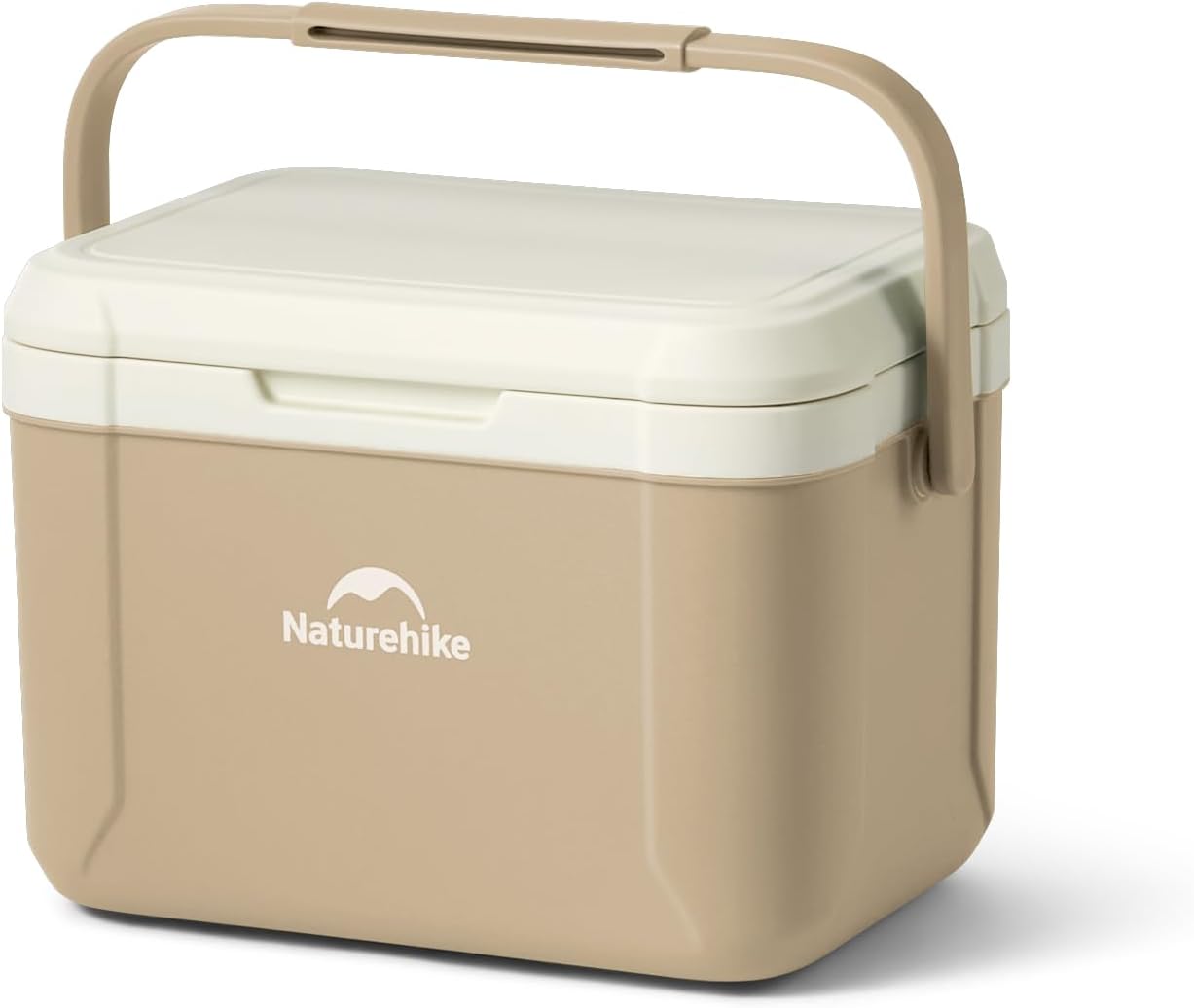
Naturehike 5.3 QT Hard Cooler
Small, tough cooler rated for five days of ice in heat. Built right for a day trip or weekend with the family.
Why we love it
- Five-sided polyurethane insulation rated 71.5 hours
- Food-grade PP liner keeps drinks and meals safe
- Weighs 2.1 lbs, easy to carry across camp
Pros
- Thick polyurethane insulation
- Reinforced shell supports 165 lbs
- High-sealing lid cover
- Food-grade materials throughout
Cons
- Holds only six cans
- No drain plug listed
How to Match the Box to the Trip
A 20-quart cooler is the smallest size I reach for on a real overnight. It sits at an awkward line: too big for a day hike with one person, too small for a family weekend. Get this choice wrong and you are either hauling empty space or rationing ice on a hot afternoon with two kids asking for water every five minutes.
The picks above range from rotomolded tanks that hold ice for days to injection-molded boxes that are lighter but sweat faster. None of them are toys. What separates them is insulation thickness, gasket quality, and how the lid latches work under real abuse.
Usable Capacity Once Ice Goes In
Manufacturers rate coolers by total volume. A 20-quart box holds 20 quarts of nothing. Add a 2:1 ice-to-contents ratio (the standard for real trips), and you get maybe 6 to 7 quarts of actual food and drink. The EchoSmile 20-Quart Insulated Cooler advertises 20 cans without ice, which is honest about capacity, but that number drops fast once block ice and a water bottle take up room. Know what you are actually packing before you buy.
Foam vs Rotomolded Insulation
Foam-injected boxes like the Igloo and EchoSmile models use polyurethane walls that are lighter and cheaper but absorb water over time if the gasket fails. Rotomolded coolers like the EchoSmile rotomolded line use seamless LLDPE plastic that does not absorb moisture and can take repeated impacts without cracking. The trade-off is weight. A rotomolded 20-quart unit is heavier, and you feel it on a long hike.
Gasket Durability and Lid Seal
The gasket is the rubber strip around the lid. A bad gasket leaks cold air and ice melt into your tent floor. Look for silicone gaskets, which stay flexible in cold and heat. Plastic latches fail faster than stainless steel or reinforced polymer. Inspect the hinge connection where the lid meets the box, because that is where cracks start after winter storage or a hard impact.
Drain Plug Design
A quick-drain system should empty without tilting the cooler. Some boxes come with a stainless chain attached to the plug so you do not lose it in a creek bed. The plug itself should be rubber or plastic, not metal, to avoid corrosion. Test it before a trip. A plug that leaks slowly ruins a night.
Handle Comfort Under Real Load
A 20-quart cooler full of ice and food weighs 30 to 40 pounds. Bail handles should be wide enough for two hands and textured so your grip does not slip when wet. The Igloo Trailmate has a swing-up handle with a diamond-grip texture, which works well in the field. Narrow or smooth handles turn a carry to the car into a fumble.
Insulation Depth and Ice Retention Reality
Manufacturers claim ice retention measured in hours or days under controlled conditions. A lab test fills the cooler with ice, seals it, and measures temperature loss. In real life, you open the lid constantly, the box sits in the sun, and the ambient temperature swings from morning to afternoon. The Naturehike 5.3-Quart Hard Cooler claims up to 71.5 hours with a 75 percent ice fill in lab conditions. On a hot high-desert weekend with frequent opening, expect half that or less.
Thicker walls hold ice longer. A 1.5-inch foam layer (like the Igloo) retains cold reasonably well. Rotomolded boxes often have thicker walls and perform better over multi-day trips. The EchoSmile 25 to 75 Quart Rotomolded Cooler advertises 75 to 100 hours with a 2:1 ratio, which is closer to what you see in field use because the walls are heavier and the seal is tighter.
Pre-chilling the cooler the night before a trip cuts melting time by 30 percent or more. Block ice melts slower than cubes. If you are packing for more than one night, bring ice in a backup insulated bag and top off as needed. A reflective cover over the cooler reduces sun exposure by another 15 to 20 percent.
Latch, Hinge, and Long-Term Durability
Quick-latches are plastic or reinforced polymer clips that hold the lid down. They work fine for a season or two, but UV exposure and thermal cycling (hot days, cold nights, freeze cycles in winter storage) crack them eventually. Stainless steel hardware lasts longer but adds cost and weight. Check the hinges where the lid connects to the box. That joint is a stress point. If the hinge is glued or snapped on rather than bolted through, expect failure within two years of regular use.
Silicone gaskets and seals degrade in sunlight. Store the cooler in the shade between trips and leave the lid cracked to prevent mildew inside. If you notice a sour smell, a broken gasket is usually the cause. Replacement seals are sold separately for most major brands, but they cost extra and you have to source them.
Cup holders and drain plugs are convenience features that become failure points. A cup holder cracked by a heavy impact can leak water into the interior. A drain plug with a cheap rubber seal wears out. Before buying, check whether replacement parts are easy to find and how much they cost. A cooler is only good as its weakest plastic fitting.
Packing It So Ice Lasts and Weight Is Manageable
A 20-quart cooler is small enough to carry but large enough that packing matters. Put block ice at the bottom and lay items on top. Drinks and items you access frequently go in the upper third so you do not have to dig. Drain meltwater daily. Leaving standing water inside shortens ice life and breeds mildew fast, especially in warm climates. Tilt the cooler slightly so water runs toward the drain plug.
On a car trip, keep the cooler out of direct sun and parked in shade whenever possible. Inside a minivan or truck bed, it heats up fast. If you are hiking to a basecamp, weigh what you actually need. A full 20-quart cooler is borderline portable for one adult. Two people can carry it, but a single person on a long carry will feel every pound. Consider a smaller soft cooler for day trips and reserve the hard box for vehicle camps.
Pair the cooler with quality ice packs or block ice, not cheap foam cups. Pre-freeze your ice packs overnight before every trip. On multi-day trips, budget for fresh ice resupply at a store or campground. Hard coolers paired with frozen water bottles give you cold drinking water as the ice melts, which saves money and reduces plastic waste from single-use bottles.
A 20-quart cooler at the car is reliable. The same cooler on a day hike is a burden you will resent.
Tips
- Pre-chill 12 hours before departure. A cold cooler keeps ice from melting just from thermal shock. Place it in a freezer or fill it with ice the day before and drain it before packing.
- Use block ice or frozen water bottles, not just cubes. Block ice melts slower and gives you cold drinking water as it breaks down. Cubes work in a pinch but waste a day of ice life.
- Drain meltwater every morning. Standing water inside the box breeds bacteria and shortens ice retention. Open the drain, tilt slightly, and let it flow out completely.
- Keep the lid closed except when loading or grabbing something. Every time you open it, warm air replaces cold air. Kids learning cooler etiquette should know this rule first.
- Store it empty and dry with the lid propped open. Close a wet cooler and mildew grows inside within days. Air circulation prevents smell and mold.
- Buy replacement seals and drain plugs before they fail. When a gasket goes mid-trip, you cannot fix it in the field. Keep spares in your camping kit.
The gap between a lab test and a hot weekend with kids is wider than any marketing claim admits.
FAQ
How much weight can a 20-quart cooler hold?
Most hard coolers are rated for 300 to 310 pounds on the lid, meaning they can serve as a seat or small table. The cooler itself with ice and food will weigh 30 to 40 pounds. That is the real weight limit for comfortable carrying or placing inside a vehicle without shifting.
Does the ice retention claim actually match what you get in the field?
No. Lab tests measure a sealed, unopened cooler in a controlled environment. Real trips involve opening the lid dozens of times, sun exposure, and variable ambient temperature. Expect 40 to 60 percent of the manufacturer’s claim on a typical weekend. Pre-chilling and block ice help close the gap.
Can you use a 20-quart cooler in winter to keep things from freezing?
Yes, but it is not reliable. The insulation works both ways, but freezing happens faster than you might expect on long drives in cold weather. If you need to keep items above 32 degrees in winter, wrap them in a towel inside the cooler or use an active solution like a 12V cooler or fridge.
What do I do if the gasket fails mid-trip?
You lose significant cooling performance. If the seal is cracked or torn, replace it as soon as you get home. In the field, drain the cooler, dry the gasket area, and wrap the outside of the lid with duct tape to create a temporary seal. It is not perfect, but it helps.
Is the bear-resistant claim real?
No cooler is bear-proof without a lock. The term refers to the latch design and whether it resists bears trying to pull the lid open. Even then, a bear with leverage and time can force it. In bear country, always lock the cooler to a vehicle or tree, and never leave it unattended at a campsite regardless of the latch design.
How often should I replace the drain plug and seals?
Inspect them before every trip. Gaskets typically last 2 to 3 seasons with regular use before UV damage makes them brittle. Drain plugs last longer but wear out faster if you use the drain frequently. Buy replacements preemptively if you use the cooler more than 10 times a year.




Write Your Review
No reviews yet. Be the first to share your experience!