

OneTigris Bushcrafter 3-Season Mummy
Budget mummy bag that keeps kids warm on cool spring and fall nights without breaking the bank or the minivan's cargo space.
Why we love it
- Polycotton fill handles damp mornings better than pure down
- Mummy cut with hood seals warmth on frosty state-park nights
- Machine washable and stuffs into a compact sack for car trips
Pros
- Mummy hood with cord-stopped design
- YKK anti-snag zippers hold up to repeated use
- Polycotton fill dries quickly when damp
- Extra wide interior fits kids and adults
- Compact stuff sack included
Cons
- Rated limit around 41F, not true comfort below
- Polycotton heavier than down for backpacking

USGI Gear 4-Piece Modular System
Military-spec modular system that layers from 50°F down to -50°F, built tough enough for family camping and backcountry trips without breaking the bank.
Why we love it
- Stack layers for any season without buying multiple bags
- Waterproof bivy keeps gear dry on coastal and rainy trips
- Military durability handles kid chaos and minivan packing
Pros
- Modular design adapts to shoulder seasons
- Triple-laminated waterproof bivy cover included
- YKK zippers and ripstop nylon hold up
- Compression sack for tight minivan storage
- Wide temperature range with layering
Cons
- Heavier than single-bag alternatives
- Learning curve to dial in layer combinations

Tennier RFI Modular Sleep System -50F
Military-grade modular system that layers from mild to extreme cold, perfect for families who need one bag that handles both shoulder-season state parks and serious winter trips.
Why we love it
- Modular design layers from 50F to -50F comfort
- Includes bivy cover and two compression sacks
- Proven for extreme cold without ultralight weight
Pros
- Extreme cold rating down to -50F
- Modular layering system for temperature range
- Made in USA with durable rip-stop nylon
- Includes bivy cover and stuff sacks
- Water-resistant construction
Cons
- Heavy for backpacking trips
- Bulky packed size for minivan space

GearRack Military ECW Down Bag -20F
Heavy-duty military down bag rated to -20F, built for extreme cold and family car camping trips where warmth matters more than weight.
Why we love it
- Rated to -20F for serious cold nights
- 80% down fill traps heat in harsh conditions
- Mummy hood and draft flap seal out freezing air
Pros
- Extreme cold rating to -20F
- 80% down insulation with polyester blend
- Mummy hood with draw cord
- Water-repellent cotton outer shell
- Made in USA, built to last
Cons
- 8 pounds is heavy for backpacking
- Bulky when packed, needs van space

MT Military Modular 3-Layer System
A three-piece modular system that layers from mild nights to sub-zero cold, built tough enough for family camping and backcountry trips.
Why we love it
- Stack all three layers for extreme cold protection
- Center zip design works with tactical gear or solo
- Waterproof bivy cover handles wet conditions
Pros
- Modular design adapts to any season
- Vertical stitching prevents cold spots
- Military-grade ripstop nylon durability
- Compresses 60% smaller than standard sacks
- Use pieces separately or combined
Cons
- System bulk adds weight for backpacking
- Overkill features for casual car camping

MEREZA 0 Degree Sleeping Bag
Roomy rectangular bag rated to 0 degrees with a pillow included, built for family car camping in cold weather.
Why we love it
- Rated to 0 degrees for frosty state park nights
- Rectangular cut gives kids room to move and stay comfortable
- Pillow and compression sack included, ready to go
Pros
- 0-degree temperature rating
- Spacious rectangular shape
- Included pillow and storage sack
- Anti-snag zipper with draft tubes
- Waterproof polyester shell
Cons
- 5.7 pounds, car camping only
- Runs bulky when packed
What Separates Military Spec From Hype
Best military sleeping bags sit in a narrow space between genuine durability and marketing. After 14 years of family camping across the Cascades and high desert, I have owned bags that came from government surplus and bags that copied the look without the engineering. The difference is not always obvious on a hang tag.
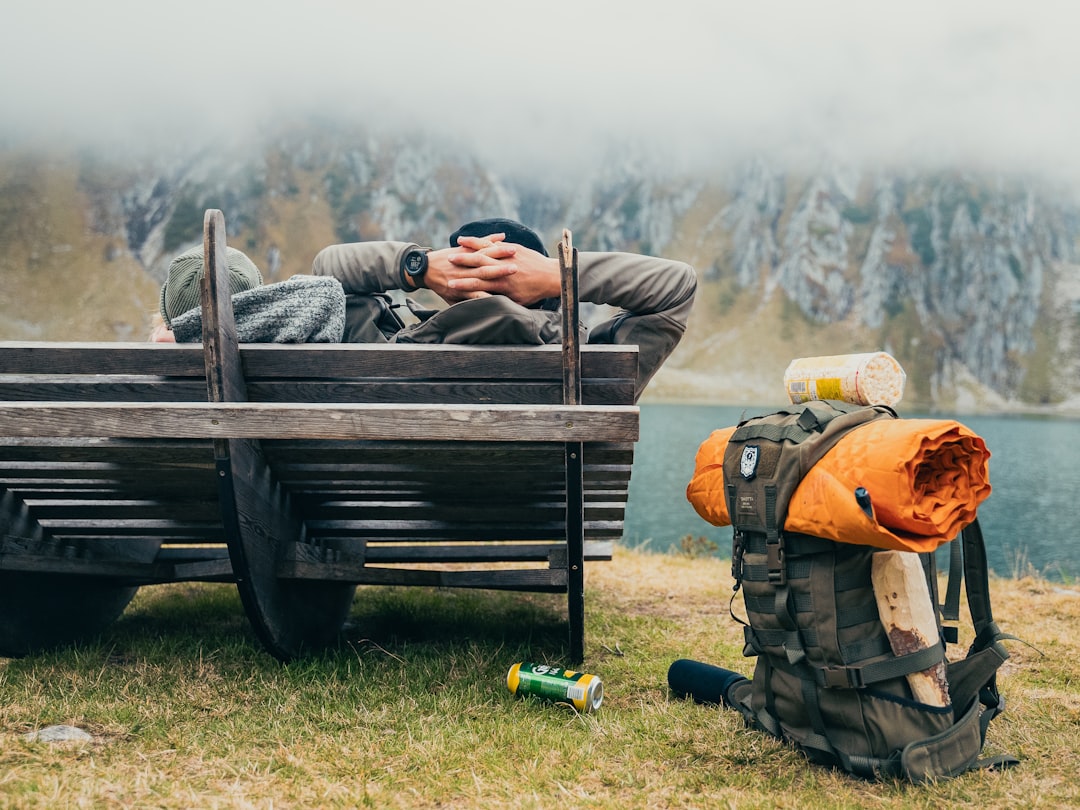
Military bags are built for abuse: compression in a ruck, damp field storage, repeated packing and unpacking by people who are not gentle with gear. That construction costs weight and bulk. A civilian bag optimized for backpacking will pack smaller and weigh less. A military bag will survive what breaks a lighter bag.
Modularity Over Single Temperature
Most military systems use layering: a patrol bag that works alone in mild weather, an intermediate layer for cold, and sometimes a bivy cover that seals moisture. This matters because a single temperature rating is a lie. A 20-degree bag rated for extreme cold is uncomfortable at 35 degrees. A modular system lets you use what you need. The MT Military Modular Sleeping System ships with three layers: you deploy what the forecast demands.
Synthetic Fill Holds Up in Wet
Synthetic insulation dominates military bags because down fails when damp. A government surplus bag expects field conditions: rain, morning dew, sweat inside the shell. Synthetic retains roughly 80 percent of its loft even when wet, while down clumps and loses nearly everything. If you are choosing between a military bag and a civilian down bag for unpredictable weather, synthetic wins. Down is warmer per ounce, but only if you keep it dry.
Shell Denier Matters More Than Loft Claims
Military bags use heavier shell fabrics, often 70 denier or higher, because they get dragged across rocks and thrown into vehicles. A lighter shell saves weight but tears easier. The Genuine U.S. Military Goretex 5-Piece Improved Modular Sleeping Bag System uses Gore-Tex, which is overkill for most camping but survives hard use. Check the shell spec before assuming a low price means low quality.
Draft Collar and Zipper Sealing
Heat escapes through an open zipper and around your shoulders. Military bags prioritize draft tubes and collars because soldiers sleep in the cold and cannot afford to lose warmth through gaps. A full draft collar that cinches around your neck, paired with a baffle behind the zipper, is standard on real military gear. Budget civilian bags skip these or make them thin. This is where you feel the difference at 2 a.m.
Packed Weight and What You Trade for It
Military sleeping systems are heavy. A modular system with bivy cover easily runs 5 to 7 pounds. A lightweight backpacking bag half that weight uses thinner shell, lighter insulation, and no extra features. If you are hiking 10 miles a day, that weight adds up. If you are car camping or moving between established campsites, it does not matter.
The trade-off is durability and versatility. A military bag survives being packed damp, compressed for months, and dragged across rough terrain. A lightweight bag needs careful storage and gentle handling. Know which one fits your style before you buy.
Where the Grams Hide
The heaviest parts are the shell fabric, the insulation volume (military bags use more loft to hit their temperature ratings), and the draft collar. A mummy-cut bag is lighter than a rectangular one at the same temperature. Modular systems add weight because each layer has its own shell. The Military Sleeping Bag System Tactical Gear includes a bivy, intermediate bag, and patrol bag, which is why it weighs more than a single bag rated the same temperature.
Compression and Loft Recovery
Synthetic insulation recovers loft faster than down after compression, but it never fully returns to factory loft. A military bag compressed in a ruck for weeks will have less insulation than one stored loose. This is not a defect; it is the reality of field use. Down recovers better over time but needs gentle storage and cannot tolerate being packed damp. If your bag will live in a stuff sack, synthetic is the practical choice.
Rating Standards and Real Temperature
Military temperature ratings use ISO 23537, the same standard as civilian bags, but the interpretation matters. A 20-degree military bag is rated for survival, not comfort. You will be cold at 20 degrees in that bag alone. Add a sleeping pad with an R-value above 3, wear a base layer, and maybe you sleep. A civilian comfort rating at 20 degrees assumes you sleep warm.
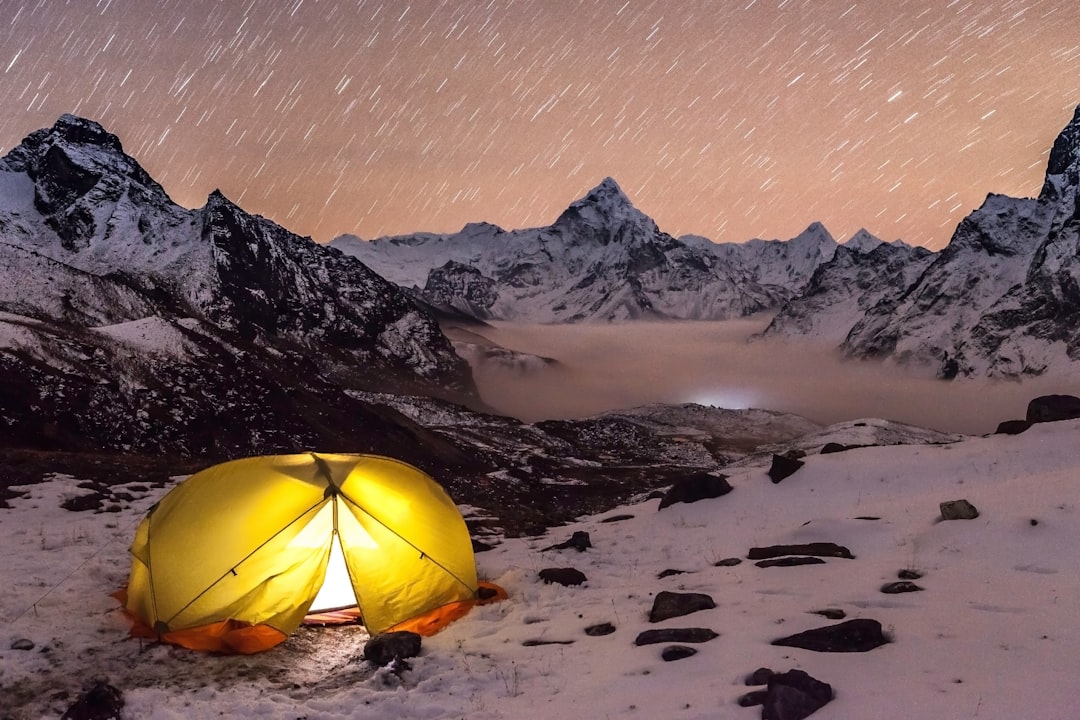
Pad R-value is not optional. A 20-degree bag on the cold ground loses heat through the bottom as fast as the shell loses it on top. Your pad has to insulate. A closed-cell foam pad or an inflatable pad with R-value above 3 is the minimum for cold weather.
Limit Versus Comfort
The rated temperature is the survival limit, not the comfort zone. At that temperature, a person in average health will not die of hypothermia, but they will shiver and sleep poorly. Real comfort is usually 10 to 15 degrees warmer than the rating. If you camp in winter and want to sleep well, buy a bag rated 10 degrees colder than your expected low. A 0-degree bag for winter camping means you are comfortable in the teens.
Layering and Liners
Military modularity handles temperature range without buying five bags. Wear a base layer, add a mid-layer fleece, and pair the bag with a sleeping pad. A silk or fleece liner adds 5 to 10 degrees of warmth without bulk. If you are between bag ratings, a liner is cheaper than buying a new bag. Liners also protect the interior from sweat and dirt, which extends the bag’s life.
Choosing the Right Setup for Your Use
Car Camping and Base Camps
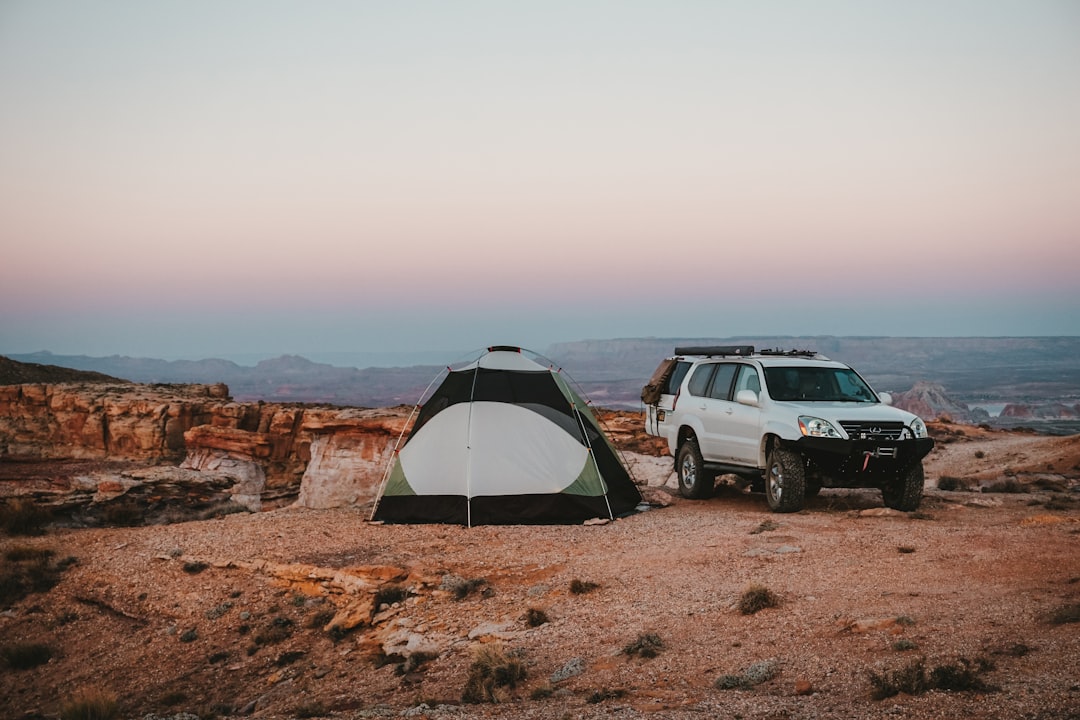
If you are sleeping at a campground or established site, weight and bulk do not matter. A rectangular military bag with a thick shell and full draft collar is comfortable and durable. You can store it in a car or cabin between trips. Modularity is useful because you can pack lighter in mild months and add layers in winter. This is where military bags shine: they are built for repeated use in variable conditions.
Backpacking and Trail Weight
If you are carrying your bag more than a mile, weight becomes real. A military system with bivy and multiple layers will slow you down. Consider a single civilian bag rated for your typical season, or a military bag without the bivy if you are willing to accept slightly less durability. The difference between 5 pounds and 2 pounds is noticeable over 10 miles.
Wet Climate and Damp Conditions
Coastal rain and high humidity favor synthetic military bags over down. If your trips are in the Pacific Northwest or other wet regions, a military synthetic bag is a better choice than a down civilian bag. The loft stays intact when damp, and the shell resists moisture longer. Down is warmer in dry cold, but synthetic is more forgiving in real-world wet.
Tips From the Trail
- Store it loose between seasons. Compressed loft does not recover fully. Hang the bag in a closet or lay it flat in a bin, never in a stuff sack for months at a time.
- Wash only when necessary. Repeated washing breaks down insulation faster than occasional use. Spot clean stains, and wash the whole bag only every few years or after heavy field use.
- Pair it with a pad that has real R-value. A thin foam pad or air mattress will not insulate enough. Check the pad spec before assuming your bag’s temperature rating will hold.
- Dry it fully before storage. Any moisture left inside will degrade synthetic insulation and cause down to clump. Air dry in the sun if possible, never in a dryer on high heat.
- Cinch the draft collar tight. A loose collar lets warm air escape. A snug fit around your neck and shoulders makes 5 to 10 degrees of difference on cold nights.
- Test the zipper before a long trip. A stuck or slow zipper is miserable in the cold. Work it smooth with a graphite stick or zipper lubricant at home, not at 2 a.m. in a tent.
A military bag rated 20 degrees on a thin pad at 20 degrees is a survival tool, not a sleeping system.
FAQ
Do military temperature ratings mean comfort or survival?
Survival. A 20-degree rating means a healthy person will not die of cold at that temperature, but they will be uncomfortable and may not sleep. Comfort is usually 10 to 15 degrees warmer. If you want to sleep well in winter, buy a bag rated for 10 degrees colder than your expected low.
Why do military bags weigh so much?
Durability. Heavier shell fabric, thicker insulation, and reinforced seams survive abuse that would shred a lightweight bag. Military bags are built for compression, damp storage, and rough handling. If you care about weight, a civilian bag is lighter, but a military bag will outlast it with hard use.
Can I use a military bag for backpacking?
Yes, but it is not ideal. A modular military system with bivy and layers can run 5 to 7 pounds, which is heavy for backpacking. If weight matters, choose a single military bag without the bivy, or consider a lighter civilian bag if weather is predictable. Military bags shine in car camping and base camps where weight is not a constraint.
What do I need to pair with the bag?
A sleeping pad with R-value above 3 is essential for cold weather. Insulation under you matters as much as insulation around you. A base layer and fleece mid-layer extend the bag’s effective temperature range. A liner adds warmth and protects the interior from sweat and dirt.
How often should I wash a military sleeping bag?
Only when necessary. Spot clean stains with a damp cloth, and wash the whole bag every few years or after heavy field use. Repeated washing breaks down insulation faster than use. Always air dry completely before storage to prevent mildew and insulation breakdown.
Is synthetic or down better for military bags?
Synthetic is standard for military bags because it retains loft when wet. Down is warmer per ounce but fails in damp conditions. If you camp in wet climates or expect field conditions, synthetic is the practical choice. Down works if you keep it dry and store it carefully.


Write Your Review
No reviews yet. Be the first to share your experience!