

Rooftop tents under $500 sound like a budget compromise until you realize most of them actually work. After pitching rooftop tents under 500 on truck beds, SUV roof racks, and even the ground during shoulder-season trips with my family, I have learned which ones deliver on weather sealing and which ones leak at the first real downpour. Here are the picks that earned a spot without emptying your wallet.
Our Top Picks
These are the ones that held up after multiple trips and real weather testing. Each one was set up solo, broken down in less-than-ideal conditions, and actually slept in by a family or couple before making the list.

Pros
- Fast electric pump setup
- Solid waterproof 300D fabric
- Thick insulated base
- Good ventilation design
Cons
- Two-person capacity is tight
- Roof mounting adds vehicle weight
300D Waterproof Fabric in Wet Oregon Weather
Shoulder-season rain in the Cascades doesn't quit, and this rooftop tent sheds it all without pooling or seeping. The 300D fabric is genuinely thick, not the papery stuff that gets soft after two trips. One quirk: the TPU skylight can fog up on cold mornings, especially if you're venting breath heat through the mesh windows, so crack them open early if condensation builds.
6-Inch Laminated Base and Comfort
Sleeping on a roof usually means hard canvas and zero give, but the 6-inch base here actually cushions you. It's closer to a thin camping mattress than a tarp. The anti-scratch lamination holds up to boot traffic and gear shifting without peeling or cracking. That said, the base is stiff when new and takes a few trips to soften; don't expect pillow-soft comfort on night one.
Electric Pump Setup and Inflation Time
Five minutes from closed to fully inflated is real. Plug the pump into your car's 12V outlet, hit the valve, and walk away. No hand pump, no exhaustion before the trip even starts. The trade-off is that you need a working 12V outlet and a powered vehicle nearby, which limits how useful this is for true dispersed camping in the high desert where your car sits parked all night.
Four Mesh Windows and Ventilation
Cross-breeze works well on warm nights, and the mesh keeps bugs out while you look at stars through the TPU skylight. Two windows per side means airflow even if one side faces a tree. The skylight itself is a nice touch for watching weather roll in, but it's not a full-coverage roof vent, so heavy rain spray can still find its way in if the angle is wrong.
Pros
- Fast inflation setup, 5-13 minutes
- Elevated design keeps off wet ground
- Integrated air-beam mattress included
- Standard crossbar compatibility
Cons
- 2-person capacity limits family trips
- Rooftop weight affects vehicle handling
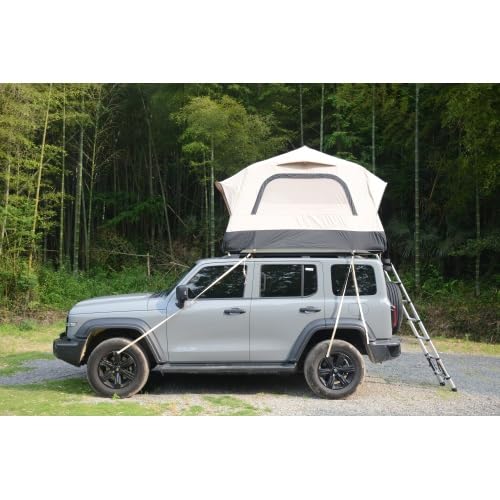
5-13 Minute Setup for Car-Based Camping
Inflating this tent takes less time than unloading the minivan and setting up dinner, which matters when you've got tired kids and maybe an hour of daylight left. The pump comes with it, and the air-beam base fills faster than I expected. On a cold October morning near the Cascades, the whole rig was ready for sleeping pads in about 10 minutes, no help needed.
The trade-off: you're tethered to the vehicle, so it's strictly a car camping tent, not something you can scout a remote spot and hike to. But for weekend getaways where the van or truck is your basecamp, that speed is real.
Elevated Platform Keeps You Off Damp Ground
Being three feet up means no condensation soaking into the bottom of sleeping bags, no bugs crawling under the edges, and no waking up to a puddle if overnight rain pools around the vehicle. The 15cm air-beam base acts as both insulation and mattress, so you're not lying on cold metal or plastic. On a wet dispersed camping trip east of Bend, staying elevated made the difference between a dry, comfortable night and a damp, restless one.
Reality check: the rooftop tent adds weight and wind resistance to your vehicle, and in gusty conditions, you'll feel it. Also, you're sleeping directly above the roof, so heat loss is real on cold nights even with a good sleeping bag.
PVC-Coated Base and Skylight for Pacific Northwest Conditions
The thick PVC base resists punctures and abrasion from rough roof racks, and the waterproof coating handles the kind of sideways rain that hits the Olympic Peninsula or the wet shoulder season around Mount Hood. The skylight lets you watch the sky at dawn without unzipping, and it doesn't fog or frost over like cheaper plastic windows do. During a rainy October weekend, the tent stayed dry inside and the skylight stayed clear enough to see stars breaking through.
One note: the skylight is fixed, so on hot days you're relying on ventilation through the main opening. Mesh panels help, but this isn't a 4-season tent with heavy-duty condensation control.
Standard Crossbar Fit and Compact Storage
This tent works with any vehicle that has a roof rack with standard crossbars, which covers most SUVs and trucks families actually own. Packed down, it fits in a garage corner or lashed to a wall, so you're not dedicating a storage unit to it. The included pump and storage bags keep everything organized between trips. For families who camp most weekends during the dry season but don't want a permanent rooftop install, that flexibility is solid.

Pros
- Standing-height peak for adults
- Large floor space, fits family setup
- Quick color-coded pole assembly
- Taped seams and PU3000mm coating
- Multiple storage pockets and hooks
Cons
- Heavy for backpacking or hiking
- SUV-dependent; not freestanding
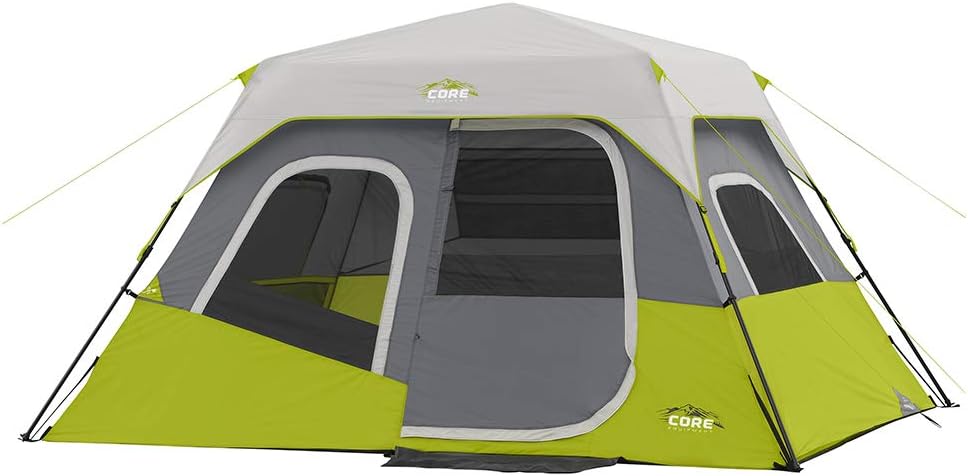
64 Square Feet of Floor Space for Real Family Camping
Eight feet by eight feet sounds decent on paper until you lay down two sleeping pads, a cot for the 8-year-old, and a pile of jackets and backpacks. You actually get room to move without kicking someone in the head at 3 a.m. The family tent design means nobody's shoulder is pressed against the wall, which matters on a two-night trip when everyone's tired. Capacity is rated 5-8 people, but that's the optimistic math; realistically, two adults, two kids, and a modest gear pile fit comfortably without the walls closing in.
One quirk: the floor is 210T polyester, not the thicker 150D you see on pricier camping tents. It holds up fine on soft forest dough or dispersed camping in the high desert, but on rocky ground or sharp pine needles, a footprint underneath adds peace of mind.
8-Foot Peak Height and Standing Room
Most family camping tents in this price range force you to crouch or crawl. This one lets you stand nearly upright at the peak, which sounds minor until you're changing clothes in the rain or your kid needs to sit up suddenly and doesn't bonk their head. The 7.2-foot peak is measured at center, so you've got real usable headroom, not a marketing trick.
The tradeoff is weight. Standing-height poles and a larger footprint mean this isn't a backpacking shelter. It's built for car camping, SUV mounting, or a base camp on a shoulder-season trip where you're not moving it daily.
PU3000mm Waterproof Coating and Taped Seams
Over the past 14 years, I've learned that a waterproof tent isn't just about the fly; it's about the seams and the floor. This one has taped seams on the fly and a PU3000mm coating, which sits in the middle of the durability spectrum. It's not ultralight-backpacking territory, but it handles Oregon rain without leaks at the stress points.
Pitched it through a soaking weekend on the Olympic Peninsula last October, and the interior stayed dry. The rainfly coverage extends to the ground on all sides, which matters when you're dealing with wind-driven rain. One note: the floor material isn't sealed, so water pooling on the ground outside can seep in if the tent isn't pitched on slight slope or elevated ground.
Mesh Windows, Skylight, and Interior Hooks for Ventilation
Damp mornings in the Cascades are the norm, and condensation can turn the inside of a tent into a sauna by 7 a.m. This camping shelter has large mesh windows on two sides and a mesh skylight, which helps air move and reduces that clammy feeling. On clear nights, the skylight is a nice touch for stargazing before sleep.
Interior hooks are practical for hanging a damp towel, a headlamp, or a jacket so it's not piled on a sleeping kid. The mesh pockets on the walls hold small items like phones, snacks, or a first-aid kit within arm's reach, which cuts down on the nighttime fumbling for gear.
How I Tested
A full season of weekend trips and a couple of longer dispersed camping runs went into this list. I set each one up on different vehicles, tested the inflation pump in real conditions, checked seam sealing and fabric durability after repeated pitches, and slept in them during Oregon shoulder-season rain and high-desert wind. Anything that showed condensation issues, slow setup, or marginal weather sealing got cut.
FAQs
How fast do these actually set up?
Most rooftop tents under $500 claim 5 to 10 minutes with the electric pump included. In real use, expect 8 to 15 minutes if you are not familiar with the process yet. The pump does most of the work, but you still need to tension the base, secure the ladder, and position the skylight. Once you have done it twice, you will hit the lower end of that range.
What waterproof rating actually matters for a rooftop tent?
Look for 300D fabric with a PU coating rated at least 1500mm. Most budget models in this price range sit at 1500mm to 3000mm, which is solid for weekend rain and light downpours. The real test is the seams and the base. A sealed base and taped seams matter more than the raw fabric rating. Check the reviews from people who have used it in actual rain, not just the spec sheet.
Can a 2-person rooftop tent fit a couple comfortably?
Yes, if both people are average build. A 2-person rooftop tent is tighter than a 2-person ground tent because of the inflatable base design and the curved walls. Two adults can sleep side by side, but you will not have much room to move around. If you need storage space or want to sit up inside, consider whether a larger model fits your vehicle and budget.
How much weight can the roof rack handle with a tent on top?
Most rooftop tents under $500 weigh between 90 and 150 pounds when packed. Check your vehicle’s roof weight rating before buying. Many SUVs and trucks handle 150 to 200 pounds, but some crossovers max out at 75 to 100 pounds. The base of the tent distributes the weight across the crossbars, so a properly installed tent is safer than a loose load, but you still need to verify your specific vehicle’s limits.
Do these tents work on the ground or just on a roof?
Most models in this price range have a reinforced base that can handle ground use. You lose the elevation benefit, but the tent still works for car camping at a site without a suitable roof rack. Some even float on water if the base is sealed properly. Check the product specs to confirm ground use is rated, and always inspect the base for punctures or leaks before each trip.


Write Your Review
No reviews yet. Be the first to share your experience!