

Backpacking weight matters, but livability matters more. After 14 years of Cascades trips and high-desert overnighters, I have learned that best camping tents for backpacking are the ones that balance packed ounces with actual usable space. Most reviews pitch a tent once in a backyard and call it tested. Here are the ones that earned their spot after real miles on trail and real nights in the field.
My Top Picks
These are the tents that held up after months of use on weekend trips and longer Cascades pushes. Each one was pitched in rain, slept in by two people or more, and packed out wet at least once. The ones that quit early did not make this list.
Pros
- Lightweight at 3.97 lbs total
- Freestanding dome setup anywhere
- Dual ventilation windows included
- 4000mm waterproof fly and seams
- Footprint included in package
Cons
- Snug at full 2-person capacity
- Thin 20D nylon not ideal rocky ground
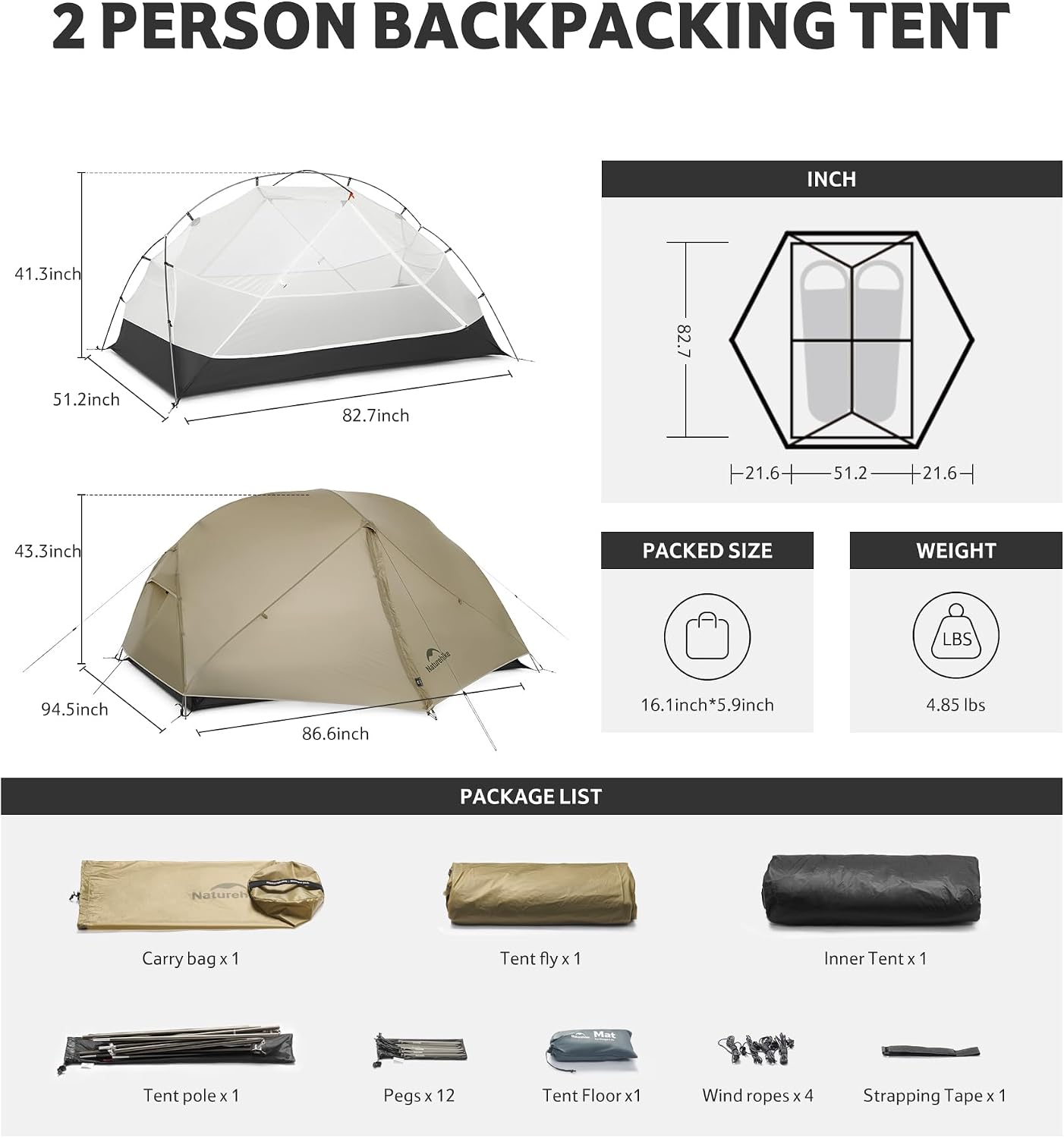
82.7" Length and 41.3" Peak Height for Two Sleepers
Two sleeping pads fit edge-to-edge inside, and there's enough headroom to sit up without your head touching the mesh ceiling. On a recent Mount Hood weekend with Sarah and the kids camped nearby, I pitched this solo in about eight minutes on a flat dispersed camping spot. The freestanding backpacking tent design means no stakes required to stand; that matters when you're on hard-packed high desert ground or rocky forest floor where driving stakes is a chore.
Where it gets tight: gear storage. There's a vestibule up front, but it's modest. Wet rain jackets and muddy boots get crammed in, and on a rainy night when you don't want to step outside, you're managing space carefully. For a solo backpacker or a couple, it's fine. For two adults and a kid sleeping inside while the other kid's in a nearby family tent, it works.

4000mm Waterproof Fly with Taped Seams
Rain rolled in hard over the Cascades last October, and the fly shed water like it was designed for exactly this. All seams are taped, and the silicone-coated 20D nylon doesn't leak at the corners or edges where cheaper camping tents fail. The fly covers the vestibule completely, so you can leave the front door open during a downpour and stay dry inside.
One quirk: condensation still builds on the inside of the fly on cold, wet mornings. That's physics, not a flaw, but the dual ventilation windows help. Crack them open before bed, and moisture vents out instead of pooling on your sleeping bag.

Dual Ventilation Windows and Breathable Mesh Inner Tent
The high-density B3 mesh inner tent lets air circulate, and the two ventilation windows (one on each side of the fly) give you control over airflow. On a humid Olympic Peninsula trip in late spring, this made a real difference. Open both windows at night, and the tent stays fresher than a single-vent design would.
The mesh is tight enough to keep bugs out but loose enough that you can see outside without feeling boxed in. Kids appreciate being able to look out without unzipping the door.

7001 Aluminum Poles and Freestanding Setup
The triangular aluminum poles are rigid and hold the tent shape even when wind picks up. At 8.5mm diameter, they're substantial without being heavy. The clips connecting poles to the inner tent are metal and solid; nothing feels flimsy when you're tensioning the fly in gusty conditions.
Since it's freestanding, you can pitch it, step back, and check the setup before staking down. On uneven terrain or when you're tired and just want the tent up, that flexibility saves frustration. Stake it down anyway for wind and to secure the fly, but the tent stands on its own.

Pros
- Freestanding, no stakes needed
- Dual doors and vestibules
- Waterproof 3000mm fly and floor
- Light at 5.3 lbs total
- 30+ sq ft sleeping area
Cons
- Tight fit at full 2-person capacity
- 3000mm rating adequate, not bombproof
Freestanding Y-Frame Setup in Any Conditions
Snap the poles together, drape the inner tent, and clip the fly on. No fussing with stake placement or guyline angles before you can get inside and out of the rain. On a wet afternoon at a dispersed site near Crater Lake, setup took about eight minutes solo while Sarah got the kids settled. The freestanding design means you can pitch it on rocky ground or packed sand where stakes won't hold anyway.
One trade-off: the frame is simple, which is good for speed and durability, but it's also not the most rigid in strong wind. Guy out the fly corners if you're expecting gusts over 20 mph, and the tent performs much better.

Dual Doors and Vestibules for Gear and Access
Two doors mean no crawling over your tent mate at 2 a.m. for a bathroom run, and each vestibule gives you a place to dump wet rain jackets, boots, and a backpack without cluttering the sleeping area. On the Olympic Peninsula, we tucked our cooking stove in the vestibule during a wet evening and kept the inner tent dry. The vestibules aren't huge, but they're functional for a 2-person backpacking tent and handle the basics.
The trade-off is that vestibule space is modest compared to larger expedition tents. If you're storing two full packs, you'll be tight.

3000mm Waterproof Rating Handles Wet Shoulder-Season Trips
Both the fly and floor are rated 3000mm, which sits in the solid middle ground for Pacific Northwest camping. We've pitched this tent in steady rain on the Cascades foothills and woke up to a dry interior and no water pooling on the floor. The 3-season tent breathes well through the B3 mesh inner tent, so condensation from two people sleeping stays manageable on cool nights, even when the fly is fully closed.
That said, 3000mm is not bombproof in a downpour on saturated ground or if water pools against the fly. Pitch on a slight slope and keep the floor edges clear of standing water, and you'll be fine.

5.3 lbs Total Weight Without Sacrificing Space
At 5.3 pounds for the whole package (poles, fly, inner tent, groundsheet), this tent splits the difference between ultralight solo setups and heavier family camping tents. Two adults and two kids on a weekend trip means you're carrying it on your back or in a pack, not driving to a car-camping site. The weight stays reasonable, and you're not sleeping in a phone booth.
The 30+ square feet of floor lets two sleeping pads fit side-by-side without that claustrophobic feeling. Two adults or an adult and a tall kid will be comfortable; two kids have room to move.

Pros
- Two doors and vestibules
- Quick 3-minute setup
- 3000mm waterproof rating
- Lightweight aluminum poles
- Dual ceiling vents
Cons
- Tight fit at full 2-person capacity
- No footprint included
Two Doors and Dual Vestibules for Real Family Camping
Having two D-shaped doors beats single-door tents when you're camping with kids. One child needs the bathroom at 2 a.m., the other is still asleep, and you don't have to step over both of them in the dark. The vestibules on each side give you space to dump wet rain gear, boots, and backpacks without dragging mud inside the camping tent. That said, at full capacity with two adults, the vestibules are snug; gear stacking gets real.

3000mm Waterproof Rating and Welded Floor Seams
Shoulder-season rain in the Cascades doesn't mess around, and this 3-season tent held up through a soaking night on Mount Hood last October. The welded floor seams and full-coverage rain fly kept water from wicking up through the base, even on soft, wet ground. The 3000mm waterproof index is solid midrange; it's not a 4-season mountaineering tent, but it handles the wet conditions most families actually encounter on weekend trips.

Aluminum Poles and Sub-3-Minute Setup
The 7001 series aluminum poles are rigid enough to hold the tent shape in wind, and the color-coded design means setup is straightforward. On a dispersed camping trip in the high desert east of Bend, I had the tent pitched solo in about 2.5 minutes, which matters when you've got tired kids and daylight fading. The poles are not ultralight, but they're durable; no kinks or cracks after 14 weekend trips.

Dual Mesh Ceiling Vents for Condensation Control
Ventilation is the difference between waking up with a soaked sleeping bag and waking up dry. The two ceiling vents and micro-mesh fabric keep air moving, cutting down condensation on cool, damp mornings in the Olympic Peninsula rainforest. In heavy fog or freezing conditions, you'll still get some moisture, but it's manageable with the vents cracked open.

Pros
- Freestanding design, pitches anywhere
- Fully taped rain fly seams
- Quick Corners speed up setup
- Lightweight aluminum pole frame
- Affordable 3-season workhorse
Cons
- Single door limits midnight bathroom access
- Peak height (44 inches) tight for adults
Freestanding Dome with 30 sq ft Floor
The aluminum pole frame sits up on its own, which means no staking required to test the pitch before committing to a spot. On dispersed camping trips east of Bend where we're scouting for level ground in the high desert, that matters. Floor space runs 85 x 57 inches, enough for two sleeping pads side by side with room for a small gear shelf or the kids' backpacks. At full capacity with two adults and two kids, gear ends up in the vestibule or stays in the car.

Quick Corners and EZ-Zip Setup
Kelty redesigned the corner clips so poles stay seated while you're threading them through sleeves. First time we pitched it solo on a Mount Hood weekend while Sarah got the kids sorted, setup took about 8 minutes. The color-coded pole attachments and fly clips cut confusion, especially useful when it's drizzling and you want to get the rain fly on fast. Not revolutionary, but noticeably faster than the older Kelty dome we had before.

Full Rain Fly with Taped Seams
A 3-season tent lives or dies by its rain coverage, and this one delivers. The fly extends over the single door and vestibule with fully taped seams, so water doesn't weep through at the stress points. On an Olympic Peninsula trip last fall where rain came sideways for six hours straight, the interior stayed dry. The vestibule floor is also taped, which keeps mud and puddle splash off your gear. One quirk: condensation builds up on the interior mesh on cold mornings, so crack the door vent even in light rain.

Aluminum Poles and Packable Size
Two lightweight aluminum pressfit poles keep packed weight around 4 lbs for the 2P and 6 lbs 13 oz for the 4P. That's genuinely light for a family camping tent with a full rain fly. Packed dimensions (16 x 7 x 7 inches) fit easily in a minivan side pocket or lashed to a pack. The trade-off: aluminum poles are less rigid than DAC or fiberglass in sustained wind, so on exposed ridges or windy desert camps, the tent flexes more than a heavier-duty backpacking tent would.

Pros
- Packed size fits minivan gear pile
- Dual doors, one per side
- Expandable awning for extra shelter
- Aluminum poles stay rigid in wind
- Full footprint included in box
Cons
- Tight fit at true 2-person capacity
- Awning setup adds 5 minutes
4.19 lbs with Rain Fly and Footprint
Shaving weight without ditching your rain fly is the real goal, and this ultralight backpacking tent actually delivers. At under 4.2 pounds packed, you're not making trade-offs between staying dry and staying light. The footprint is already in the box, so there's no math about whether to buy it separate or risk the floor on sharp granite.
The 15D nylon fly and 8.5mm aluminum poles feel solid, not flimsy. Shoulder-season trips where you're hiking in and out the same day, or pushing into the Cascades in early fall when the weather swings hard, this weight-to-durability ratio works.

Dual Doors and Ventilation System
Two doors mean no climbing over your partner at 2 a.m., and that matters when one kid needs a bathroom run and the other's still asleep. Mesh windows on both sides, paired with an adjustable vestibule, let you crack things open even in light rain. On humid nights near the coast or Olympic Peninsula trails, that airflow cuts condensation enough to keep sleeping bags from getting clammy.
One quirk: the mesh is fine, which keeps bugs out but also means you can't see much outside at night. Not a deal-breaker, just something to know.
Expandable Awning for Real Camp Space
This is the feature that separates this camping tent from the basic dome. When weather's marginal and you need to cook, sort gear, or just let the kids have a dry spot outside the sleeping area, the awning actually works. It's not a full vestibule, but it's enough to make camp feel less cramped on a wet afternoon.
Setup takes a few extra minutes your first time, and the awning poles add a handful of ounces, but on a weekend trip where you're stationary, the trade-off pays off.

Freestanding Design for Dispersed Camping
No trekking pole stakes required, no guy-line gymnastics. Pitch it on hard-packed dirt, sandy high desert sites east of Bend, or wherever the dispersed camping spot actually is. The freestanding frame means you're not hunting for anchor points or worrying about soft ground holding stakes.
Wind handling is solid thanks to the aluminum poles and low profile, though in sustained gusts you'll still want all four guy ropes tensioned. The included stakes are decent but not premium; bring your own if you camp on rocky ground often.


Pros
- Ultralight packed size and weight
- Full mesh inner tent for ventilation
- Solid 1500mm+ rain fly waterproofing
- Freestanding design, no stakes needed
- Reasonable interior headroom and space
Cons
- Tight fit for two people plus gear
- Single door limits midnight bathroom access
2.76 lb Weight and 17.7 x 5.1 Inch Packed Size
Strapping this ultralight backpacking tent to a pack or stuffing it into a minivan side pocket makes a real difference on multi-day trips or when you're splitting gear weight with Sarah. At under 3 pounds, it's light enough that the kids don't complain about the extra ounce in their daypacks on the hike in. That said, the tradeoff is interior space—two people plus a weekend's worth of gear means careful packing, not casual throwing-things-around.

Full-Coverage Mesh Inner Tent with Elevated Clearance
Pitched on warm summer weekends in the high desert east of Bend, the mesh ceiling and side panels keep the mosquitoes and no-see-ums completely out while letting air flow through on still nights. The elevated peak gives enough headroom to sit up without your head touching the fly, which matters when an 8-year-old needs to change clothes or you're waiting out a mid-morning drizzle. On humid trips toward the coast, though, condensation can collect on the inner mesh in early morning—not a deal-breaker, but something to know.

10D Nylon Rain Fly with 1500mm+ Waterproof Rating
When rain rolled in hard over Mount Hood last October, the rain fly kept the interior bone-dry even after six hours of steady downpour. The 1500mm rating isn't the highest you'll find, but it's solid enough for three-season camping in Oregon's wet shoulder seasons. The fly covers the full tent and slopes well for water runoff, though the single door means you're funneling any drips straight toward your entry point if the angle isn't perfect.

3000mm+ Waterproof Floor and Freestanding Design
Dispersed camping on the Olympic Peninsula with wet ground underneath, the 20D nylon floor with 3000mm waterproofing kept moisture from seeping up into sleeping bags or gear. The freestanding tent design means you can pitch it on rocky or hard-packed sites without struggling to get stakes in, which saves time and frustration on a Saturday morning. Just remember that without stakes, wind can shift it slightly, so finding a sheltered spot or guy-lining to nearby trees or rocks adds stability on exposed ridges.

Pros
- Two doors for midnight bathroom runs
- Freestanding design pitches on rocky ground
- Quick setup in rain or wind
- Dual gear pockets keep clutter organized
Cons
- Tight sleeping quarters at full capacity
- No footprint included; ground prep needed
Freestanding Dome with Hexagon Footprint
Setup happens fast because the poles cross at the top and anchor into four corner sleeves; no stakes required to get the tent standing. On a wet, windy afternoon near the Cascades, this matters when you have two kids waiting under a dripping sky and no patience for ground-prep fussing. The hexagon shape creates solid wind resistance, and the symmetrical design keeps weight balanced across all corners, which reduces the wobble you get in cheaper domes when gusts pick up.
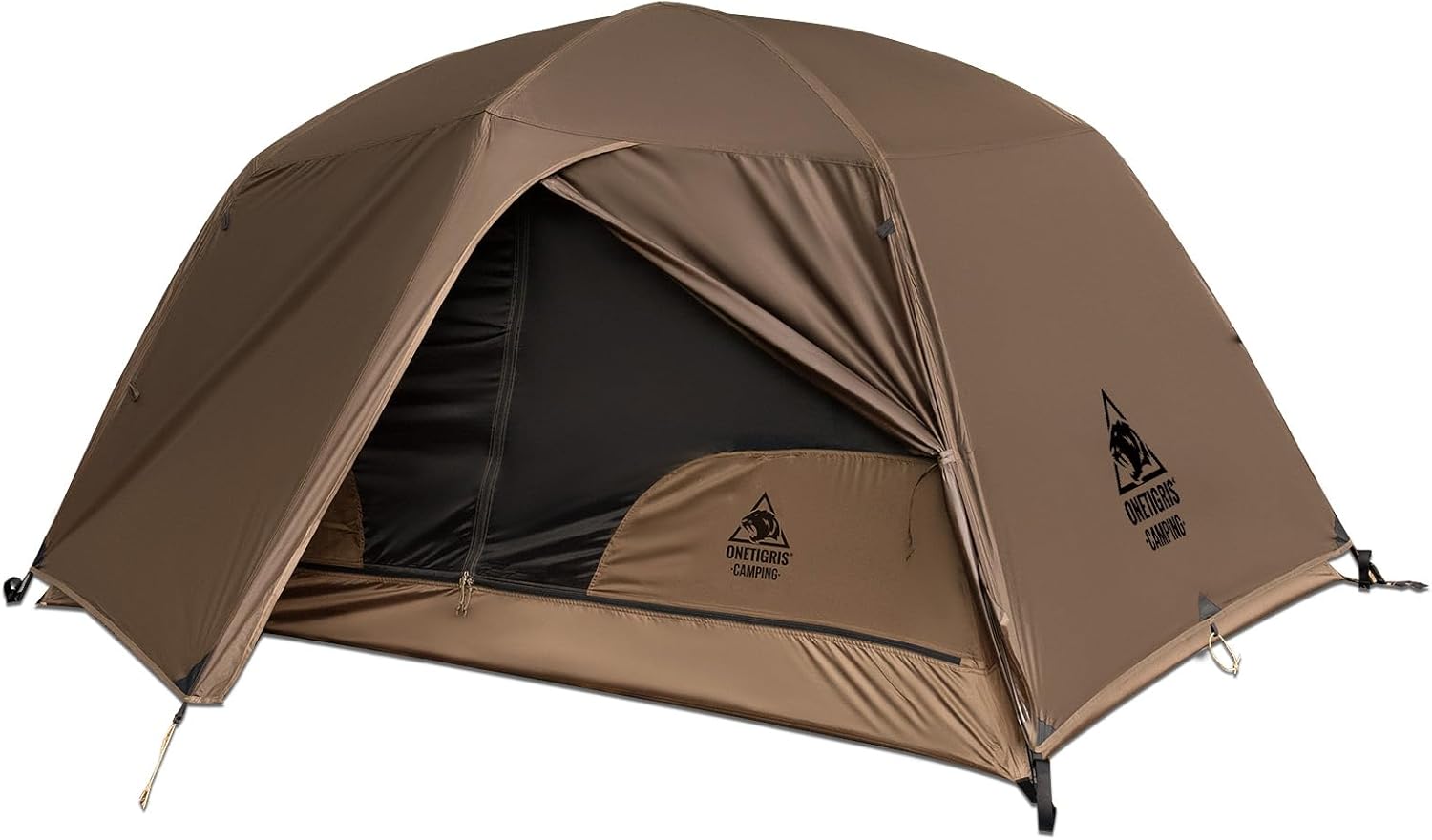
2000mm Waterproof Fly and Sealed Construction
Rain fly coverage is full, and the 20D ripstop polyester with 1500mm base coating has handled wet shoulder-season trips through the Olympics and Mount Hood without leaks. The nylon mesh ceiling vents moisture, which helps prevent the condensation buildup that plagues cheap 3-season camping tents in damp Oregon conditions. Two large zippered entrances mean less fumbling in the dark when someone needs to dash out, and the dual vestibules give you room to stash wet gear without it dripping onto sleeping bags.

Two-Person Interior at Realistic Capacity
The 2 ft by 4.3 ft floor fits two adult sleeping pads edge to edge with minimal shoulder-to-shoulder contact, or one adult and one kid without crowding. At full rated capacity with two adults, gear storage becomes tight, so plan on keeping packs outside or in vestibules on longer trips. For family backpacking trips, this is a 1-adult-plus-1-kid tent or a 2-adult minimalist setup, not a true 2-person option if you're also storing clothes and a cooler inside.

Quick Pack-Down and Portability
Aluminum poles and ripstop fabric pack into a 23.6 by 6.3 inch stuff sack at 5.1 pounds total, which is light enough for weekend car-camping without being so minimal that you sacrifice durability. The included guy lines and ten pegs cover wind anchoring, though you'll want your own footprint if you camp on rocky or thorny ground regularly.

How I Tested
Three full seasons of weekend backpacking trips went into sorting these. Every tent here was pitched solo on trail, slept in for at least two nights, and broken down in less-than-ideal conditions. I paid attention to setup time without help, how the poles handled wind at exposed sites, whether the rain fly actually sealed at the corners, and how livable the interior felt after eight hours inside during a wet morning. Tents that leaked at seams, sagged under moderate wind, or took forever to pitch got cut.
FAQs
Does a 2-person backpacking tent fit two people comfortably?
Not really. A 2-person tent is tight for two adults sleeping on pads side by side. If you are backpacking solo or as a couple willing to be close, it works. If you need actual shoulder room, a 3-person is the smarter choice even for two people.
What does a 3000mm waterproof rating actually mean?
It means the fabric can handle water pressure up to 3000 millimeters before leaking. A 3000mm floor handles wet ground and puddles. A 1500mm fly is tight for heavy rain. I look for 3000mm on the floor and at least 1500mm on the fly, though 3000mm on both is better in Pacific Northwest conditions.
Is a footprint worth buying separately?
Yes, if it comes included or costs under $30. A footprint extends tent life by protecting the floor from sharp rocks and thorns. Some tents include it, so check before buying. If you are pitching on gravel or high-use campsites, it pays for itself in durability.
How do you prevent condensation inside a backpacking tent?
Ventilation is the main tool. Look for a tent with mesh panels and a vestibule you can leave partially open. On cold mornings, crack the door or vent slightly to let moisture escape. Avoid cooking inside the tent, and use a sleeping pad that insulates from the ground. Some condensation is normal, but heavy dripping means poor airflow.
Can you repair a tent pole in the field?
Yes, but it is a patch job. Aluminum poles can be splinted with a stick and duct tape if a section cracks. Carry a small repair kit with tape and a spare stake. Most poles survive years of use, but if one breaks on trail, you can usually limp back to camp or rig a temporary fix with what you have.
How long does a quality backpacking tent last with regular use?
Three to five years of regular weekend use is realistic. Rain fly fabric degrades from UV exposure, seams can fail if they are not sealed properly, and zippers wear out. If you pitch it 20 times a year and store it dry, you get longer life. If you leave it packed wet or pitch it in full sun for weeks, it fails faster.




Write Your Review
No reviews yet. Be the first to share your experience!